
Walton County Real Estate Q&A: 20 Questions Buyers Are Asking in 2026
30A communities, Freeport affordability, Watersound value, vacation-rental rules, insurance costs, and investment comparisons — the 20 most common Walton County buyer questions answered.

Walton County contains some of the most sought-after real estate on the entire Gulf Coast — and some of the most frequently misunderstood. 30A's communities each have distinct rules, price points, and rental dynamics. Here are the 20 questions buyers are asking most in 2026.
1. Is 30A real estate still a good investment in 2026?
30A remains a closely watched vacation real estate market in the Southeast, but "good investment" depends on your definition. For appreciation, 30A has historically outpaced many comparable coastal markets over the past decade — though past performance does not guarantee future results. For rental income, gross yields are solid but cap rates are compressed by high purchase prices — 3–5% cap rates are typical on many properties. The market has moderated from the 2021–2022 peak, which means buyers generally have more negotiating room than they did. Long-term, 30A's supply constraints (state forest, coastal dune lakes, limited developable land) may support values better than markets with more buildable land — but any investment carries risk.
2. What is the difference between buying in 30A and Panama City Beach?
The differences are significant. 30A is lower-density, more architecturally curated, and attracts a higher-income buyer and renter. Average home prices are substantially higher — $800,000–$2M+ is common for 30A beach access communities vs. $300,000–$600,000 for comparable PCB condos. 30A vacation rentals command higher nightly rates but also have higher purchase prices, so cap rates are similar or lower. PCB has more condo inventory, more rental volume, and lower entry points. 30A buyers are typically buying lifestyle and appreciation; PCB buyers are more often buying income.
3. Which 30A communities allow short-term vacation rentals?
Most 30A communities allow short-term vacation rentals, but rules vary by community and HOA. Communities generally permissive of short-term rentals include Seaside (with some restrictions), Rosemary Beach, Alys Beach, WaterColor, WaterSound, Seacrest Beach, Inlet Beach, and Blue Mountain Beach. Some communities have minimum stay requirements (3–7 nights). Always review the specific community's CC&Rs and HOA rules before purchasing for rental purposes — rules can change, and individual neighborhoods within larger communities may have different restrictions.
4. Which 30A neighborhoods do not allow short-term rentals?
Some 30A neighborhoods and subdivisions have deed restrictions that prohibit or significantly limit short-term rentals. These tend to be residential neighborhoods off the main 30A corridor rather than the resort communities. If short-term rental income is your primary purpose, stick to the established resort communities (WaterColor, Rosemary Beach, Seacrest, Inlet Beach) and verify rental rules in writing before you close.
5. How much does a beach house on 30A cost?
30A beach house prices range enormously. A smaller cottage in a non-beachfront community might start around $500,000–$700,000. A Gulf-front home in Rosemary Beach, Alys Beach, or WaterColor runs $2M–$8M+. The most sought-after properties — Gulf-front in premium communities with strong rental histories — can exceed $10M. The "average" 30A home price is misleading because the range is so wide. Define your community, proximity to the Gulf, and size requirements before you start looking at prices.
6. Where can I buy near 30A for under $500,000?
Options under $500,000 on or near 30A are limited but exist. Freeport (inland Walton County, 20–30 minutes from the beach) has the most inventory under $500,000, including new construction. DeFuniak Springs (further inland) has even lower prices. On the 30A corridor itself, condos and smaller units in communities like Seacrest Beach or Blue Mountain Beach occasionally come available under $500,000, but inventory is thin. If beach proximity is the priority and budget is under $500,000, Freeport is the most realistic option.
7. Is Freeport a good alternative to buying on 30A?
Yes, for the right buyer. Freeport is 20–30 minutes from the 30A beaches, has significantly lower prices ($250,000–$450,000 for new construction), and has seen substantial growth as buyers priced out of the coast have moved inland. The tradeoff is no beach access, a more suburban character, and longer commute to beach amenities. For primary residence buyers who want Walton County's lifestyle at a fraction of the coastal price, Freeport is a legitimate alternative. For vacation rental investors, it's not a substitute for 30A.
8. Why are so many people moving to Freeport, Florida?
Freeport has grown rapidly because it offers Walton County's quality of life — good schools, low crime, natural beauty — at prices that are accessible to buyers who can't afford the coast. Remote work has accelerated this trend, as buyers who no longer need to commute daily can live 20 miles from the beach instead of on it. New construction communities have brought modern homes at prices starting in the $250,000s–$350,000s. Freeport's growth is also driven by spillover from the 30A market — buyers who want to be in Walton County but can't afford 30A prices.
9. What are the notable new-construction communities in Freeport?
Freeport has seen several new master-planned communities open in recent years. Communities like Hammock Bay, Hammock Oaks, and various D.R. Horton and Lennar developments have brought new inventory to the area. Prices and availability change frequently — work with a local agent for current options. The key variables are HOA fees, community amenities, school assignments, and proximity to US-331 (the main route to 30A).
10. Is Watersound worth the higher home prices?
WaterSound is one of 30A's most premium communities — gated, low-density, with Gulf access, a beach club, and St. Joe Company's master planning. Prices are higher than most 30A communities, but WaterSound has historically held value well and attracts a high-income buyer and renter. Whether it's "worth it" depends on your priorities. If you want the most exclusive 30A address with the strongest long-term value retention, WaterSound is a legitimate choice. If you're primarily focused on rental income yield, the higher purchase price compresses your cap rate.
11. What are the HOA fees in Watersound communities?
WaterSound HOA fees vary by neighborhood and phase. Expect $3,000–$8,000+ per year depending on the specific community section and amenities included. WaterSound Beach (Gulf-front) carries higher fees than WaterSound Origins (inland). Always request the current HOA fee schedule and budget before making an offer — fees in premium communities can be a significant carrying cost.
12. Is Santa Rosa Beach a good place to buy a primary residence?
Yes. Santa Rosa Beach is the unincorporated community that encompasses much of the 30A corridor and is one of the most popular primary residence destinations in Walton County. It offers proximity to the beach, good schools (Walton County schools are among the better-rated in the Panhandle), and a mix of price points from modest inland homes to Gulf-front estates. The community has grown significantly and now has more services, restaurants, and amenities than it did a decade ago.
13. How much can a 30A vacation rental make per year?
Gross rental revenue on 30A varies widely. A smaller cottage or condo in a non-beachfront community might generate $30,000–$60,000/year. A Gulf-front home in a premium community can generate $150,000–$400,000+ gross. The key variables are Gulf proximity, community, size, and furnishing quality. 30A commands higher nightly rates than PCB — $500–$2,000+/night for premium properties during peak season. But purchase prices are also higher, so the income-to-price ratio is similar to or lower than PCB.
14. What are the real expenses of owning a vacation rental on 30A?
Beyond the mortgage, 30A vacation rental owners typically pay: management fees (20–30% of gross revenue), HOA dues ($3,000–$10,000+/year in premium communities), homeowners insurance ($5,000–$15,000+/year for Gulf-front), flood insurance (varies by zone), property taxes (non-homesteaded, typically 1–1.5% of assessed value), platform fees (3–5%), maintenance and repairs ($5,000–$15,000+/year), and furnishing replacement. Total expenses often run 50–65% of gross revenue. Model your net income carefully before you buy.
15. Which is better for investment: Seaside, Rosemary Beach, Seacrest or Inlet Beach?
Each has a different profile. Seaside is iconic but has a mix of rental-friendly and owner-occupied properties — verify rental rules for any specific property. Rosemary Beach commands premium prices and premium rents; cap rates are compressed but appreciation has historically been strong. Seacrest Beach offers more accessible price points with solid rental demand. Inlet Beach (easternmost 30A) has grown rapidly and offers newer construction with strong rental performance. For rental yield, Seacrest and Inlet Beach have tended to offer better cap rates than Rosemary Beach or Seaside in recent years — though this can shift with market conditions. For appreciation and prestige, Rosemary Beach and Alys Beach have historically led.
16. How much is homeowners insurance on a 30A beach house?
Homeowners insurance on a 30A Gulf-front home can run $8,000–$20,000+ per year depending on the home's value, construction type, age, and proximity to the Gulf. The Florida insurance market has tightened significantly — some carriers have left the state, and rates have increased substantially. Get actual quotes before you make an offer, not estimates. Factor insurance into your investment analysis; it's one of the largest carrying costs for 30A properties.
17. Do I need flood insurance to buy a home in Santa Rosa Beach?
It depends on the property's flood zone designation. Properties in FEMA high-risk flood zones (AE, VE) require flood insurance if you have a federally backed mortgage. Many 30A properties are in or near flood zones. Even if not required, flood insurance is strongly advisable for any coastal property. Flood insurance through the NFIP runs $1,500–$6,000+/year for most 30A properties; private flood insurance may be available at different rates. Always check the flood zone designation and get an elevation certificate for any property you're seriously considering.
18. Are there still affordable homes in Walton County?
"Affordable" is relative, but yes — inland Walton County (Freeport, DeFuniak Springs, Paxton) has homes in the $200,000–$400,000 range. On the 30A corridor, affordable is harder to find — the entry point for most communities is $500,000+, and Gulf-front properties start well above $1M. If your budget is under $500,000 and you want to be in Walton County, Freeport typically offers the most new construction inventory and the most options in that price range.
19. Should I buy a condo or single-family vacation rental on 30A?
Condos on 30A are less common than in PCB — the market is dominated by single-family homes and townhomes. Where condos exist (some communities in Seacrest, Inlet Beach), they offer lower entry points and lower maintenance burden. Single-family homes typically command higher rents and more flexibility but require more active management. For buyers who want lower maintenance and a lower price point, condos can make sense. For buyers who want maximum rental income and flexibility, single-family homes are the more common 30A choice.
20. What should an out-of-state buyer know before purchasing a second home on 30A?
Several things: (1) The market moves fast for well-priced properties — be ready to act. (2) Insurance costs are higher than you expect — get real quotes before you make an offer. (3) HOA rules vary dramatically by community — verify rental rules, pet policies, and parking rules in writing. (4) Management companies matter — the difference between a well-managed and poorly managed vacation rental is significant in both income and condition. (5) 30A's appeal is its character — low-density, natural, curated. Buyers who want resort amenities and nightlife will be disappointed; buyers who want natural beauty and community will love it.
Related Guides
- How to Sell a 30A Vacation Home
- 30A Listing Agent Overview
- 30A Realtor
- Sell Investment Property on the Emerald Coast
Kinsey Haddock P.A. · Broker Associate · Coldwell Banker Realty — Panhandle · License #BK3253849
Found this helpful? Share it with someone buying on the Emerald Coast.
Ready to take the next step?
Let's Talk — I'd Love to Help
Kinsey Haddock · Coldwell Banker Realty
Whether you're buying, selling, or just exploring your options on the Emerald Coast, I'm here to answer every question — no pressure, no obligation.
Written by
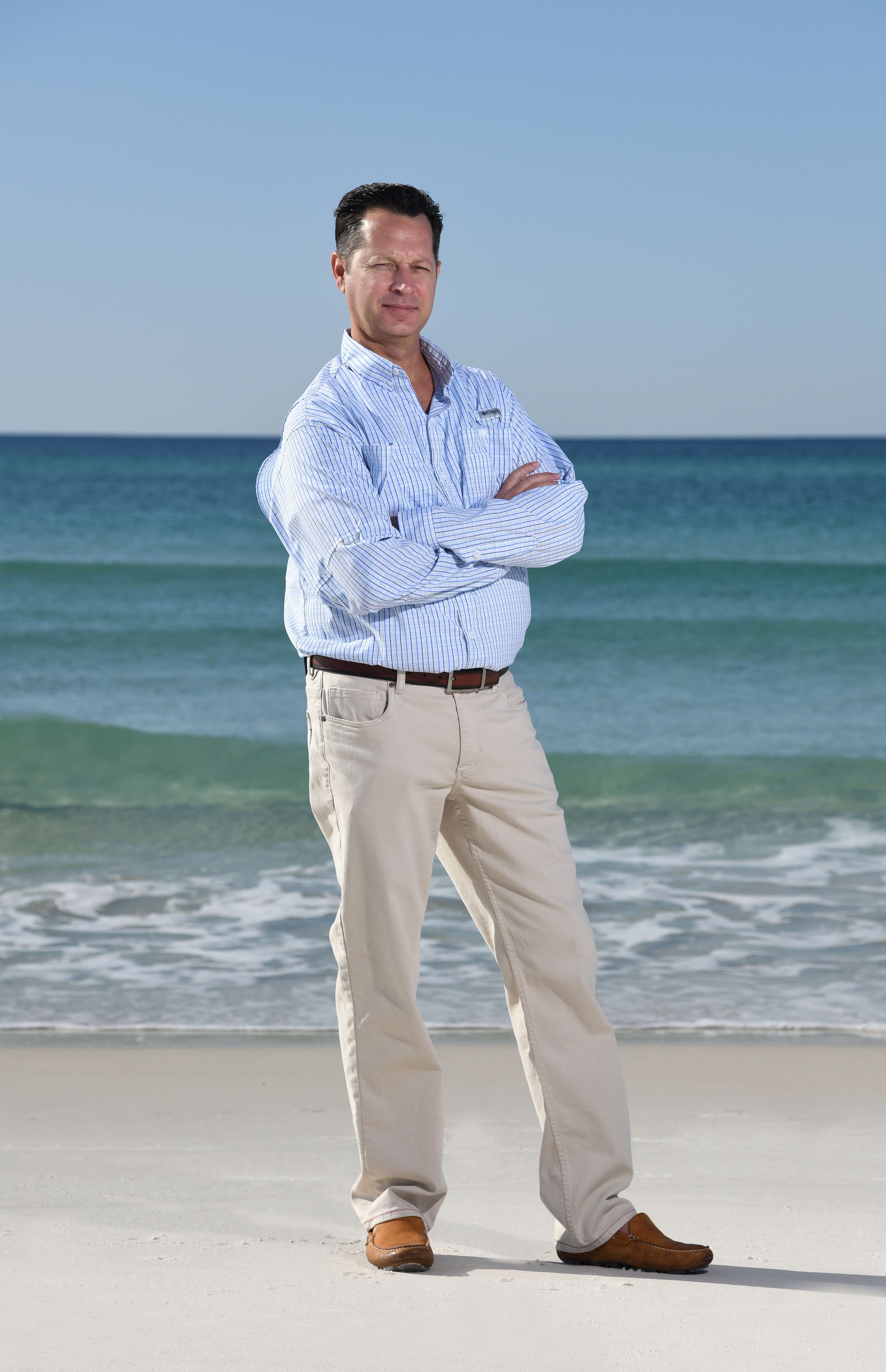
Kinsey Haddock P.A.Kinsey Haddock P.A. is a Broker Associate and REALTOR® with Coldwell Banker Realty, specializing in coastal real estate across the entire Florida Panhandle — from St. George Island and the Forgotten Coast to Panama City Beach, Scenic Highway 30A, and Destin.

