Do PCB Condo HOA Fees Include Building Insurance?
Most PCB condo HOA fees include the building''s master insurance policy — but what that policy covers, and what it does not, is widely misunderstood. Here is a clear explanation of master policy coverage, what individual unit owners still need to insure separately, and how to verify what your HOA fee actually covers.

Most PCB condo HOA fees include the building's master insurance policy — the policy that covers the structure, common areas, and in some cases the unit interiors. But what the master policy covers, and what individual unit owners still need to insure separately, is one of the most widely misunderstood aspects of PCB condo ownership.
Here is a clear explanation.
Who Is Kinsey Haddock P.A.?
I'm a licensed Florida REALTOR® and Buyer's Agent with Coldwell Banker Realty — Panhandle, representing buyers across Panama City Beach and the Emerald Coast. License #BK3253849.
The Master Policy: What the HOA Insures
The condo association's master insurance policy covers the building structure and common areas. In Florida, condo associations are required by statute to maintain property insurance on the building. The master policy typically covers:
- The building structure (exterior walls, roof, foundation, common hallways, elevators, lobby)
- Common area contents (lobby furniture, fitness equipment, pool equipment)
- General liability for common areas
What the master policy does not cover:
- The interior of individual units (walls, floors, fixtures, cabinets, appliances)
- Individual unit owners' personal property
- Individual unit owners' liability
- Loss of rental income for individual unit owners
Two Types of Master Policies: "Bare Walls" vs. "All-In"
Florida condo associations use one of two master policy structures:
Bare Walls (Most Common in PCB)
A bare walls master policy covers the building structure only — the exterior walls, roof, and common areas. It does not cover anything inside the unit boundaries, including:
- Interior walls and drywall
- Flooring (tile, hardwood, carpet)
- Kitchen and bathroom fixtures and cabinets
- Appliances
- HVAC equipment within the unit
Under a bare walls policy, the unit owner is responsible for insuring everything inside the unit boundaries through their individual HO-6 policy.
All-In (Less Common)
An all-in master policy covers the building structure plus the original fixtures and finishes inside each unit — the walls, floors, cabinets, and fixtures as originally installed by the developer. It does not cover owner upgrades or personal property.
Under an all-in policy, the unit owner's HO-6 policy needs to cover only upgrades above the original finishes and personal property.
How to determine which type your building has: Read the condo declaration. The declaration defines the unit boundaries and specifies what the master policy covers. Ask the HOA management company directly if the declaration language is unclear.
The Individual Unit Owner's Insurance Obligations
Regardless of whether the building has a bare walls or all-in master policy, every PCB condo unit owner needs:
HO-6 Individual Unit Policy
The HO-6 policy covers:
- Interior of the unit (walls, floors, fixtures, cabinets, appliances) — the scope depends on whether the master policy is bare walls or all-in
- Personal property (furniture, electronics, linens, vacation rental supplies)
- Personal liability
- Loss assessment coverage (covers your share of a special assessment resulting from an insured loss)
- Loss of rental income (available as an endorsement — important for vacation rental owners)
Cost: $1,500–$4,000/year for a PCB vacation rental condo, depending on coverage limits and the building's master policy type.
Flood Insurance (Individual Unit)
The master policy's flood coverage (if any) covers the building structure. Individual unit owners in flood zones need a separate flood policy for the unit's contents and improvements.
NFIP vs. private flood: NFIP (National Flood Insurance Program) policies cover the building structure (through the master policy) and unit contents (through an individual contents policy). Private flood insurance may offer broader coverage and higher limits. Verify what flood coverage the master policy provides and what the individual unit owner needs separately.
Cost: $500–$2,500/year for individual unit flood coverage, depending on flood zone and coverage limits.
The Insurance Gap: What Many PCB Buyers Miss
The deductible gap: The master policy has a deductible — often 2–5% of the building's insured value for hurricane claims. On a $20 million building, a 3% hurricane deductible is $600,000. This deductible is typically assessed to unit owners as a special assessment after a hurricane claim. Your HO-6 loss assessment coverage should be high enough to cover your share of the master policy deductible.
The upgrade gap: If you purchase a unit with upgraded finishes — premium tile, custom cabinets, high-end appliances — and the building has an all-in master policy, the master policy covers only the original finishes. Your HO-6 policy must cover the upgrade value. Verify that your HO-6 coverage limits reflect the actual replacement cost of the unit's finishes.
The rental income gap: The master policy does not cover your loss of rental income if the building is damaged and uninhabitable. Loss of rental income coverage must be added to your HO-6 policy as an endorsement. For vacation rental owners, this is an essential coverage.
How to Verify What Your HOA Fee Covers
Step 1: Read the condo declaration. The declaration defines unit boundaries and specifies the master policy type (bare walls or all-in).
Step 2: Request the master policy declarations page. Ask the HOA management company for the current master policy declarations page. It shows the insurer, coverage limits, deductibles, and policy type.
Step 3: Ask about flood coverage. Does the master policy include flood coverage? If so, what does it cover — the building structure only, or unit interiors as well?
Step 4: Get an HO-6 quote. Before closing, get an HO-6 quote from an insurance agent who understands PCB condo coverage. Provide the master policy declarations page so the agent can identify the gaps the HO-6 needs to fill.
FAQ
Do PCB condo HOA fees include building insurance?
Most PCB condo HOA fees include the building's master insurance policy, which covers the structure and common areas. Individual unit owners still need a separate HO-6 policy for the unit interior, personal property, and liability.
What is the difference between a bare walls and all-in master policy?
A bare walls master policy covers the building structure only — not the interior of individual units. An all-in master policy covers the building structure plus the original fixtures and finishes inside each unit. The type of master policy determines what the individual unit owner's HO-6 policy needs to cover.
Do I need flood insurance if my PCB condo HOA has a master flood policy?
The master flood policy covers the building structure. Individual unit owners in flood zones typically need a separate flood policy for unit contents and improvements. Verify what the master policy covers and what the individual unit owner needs separately.
What is loss assessment coverage and why does PCB condo owners need it?
Loss assessment coverage on your HO-6 policy covers your share of a special assessment resulting from an insured loss — including your share of the master policy's hurricane deductible. For PCB condo owners, loss assessment coverage should be high enough to cover your share of the master policy deductible.
How do I find a buyer's agent who understands PCB condo insurance?
Work with an agent who has specific experience with PCB condo purchases and can help you understand the insurance implications of a specific building. I represent buyers across PCB. Visit emeraldcoastbuyersguide.com/contact to get started.
Found this helpful? Share it with someone buying on the Emerald Coast.
Ready to take the next step?
Let's Talk — I'd Love to Help
Kinsey Haddock · Coldwell Banker Realty
Whether you're buying, selling, or just exploring your options on the Emerald Coast, I'm here to answer every question — no pressure, no obligation.
Written by
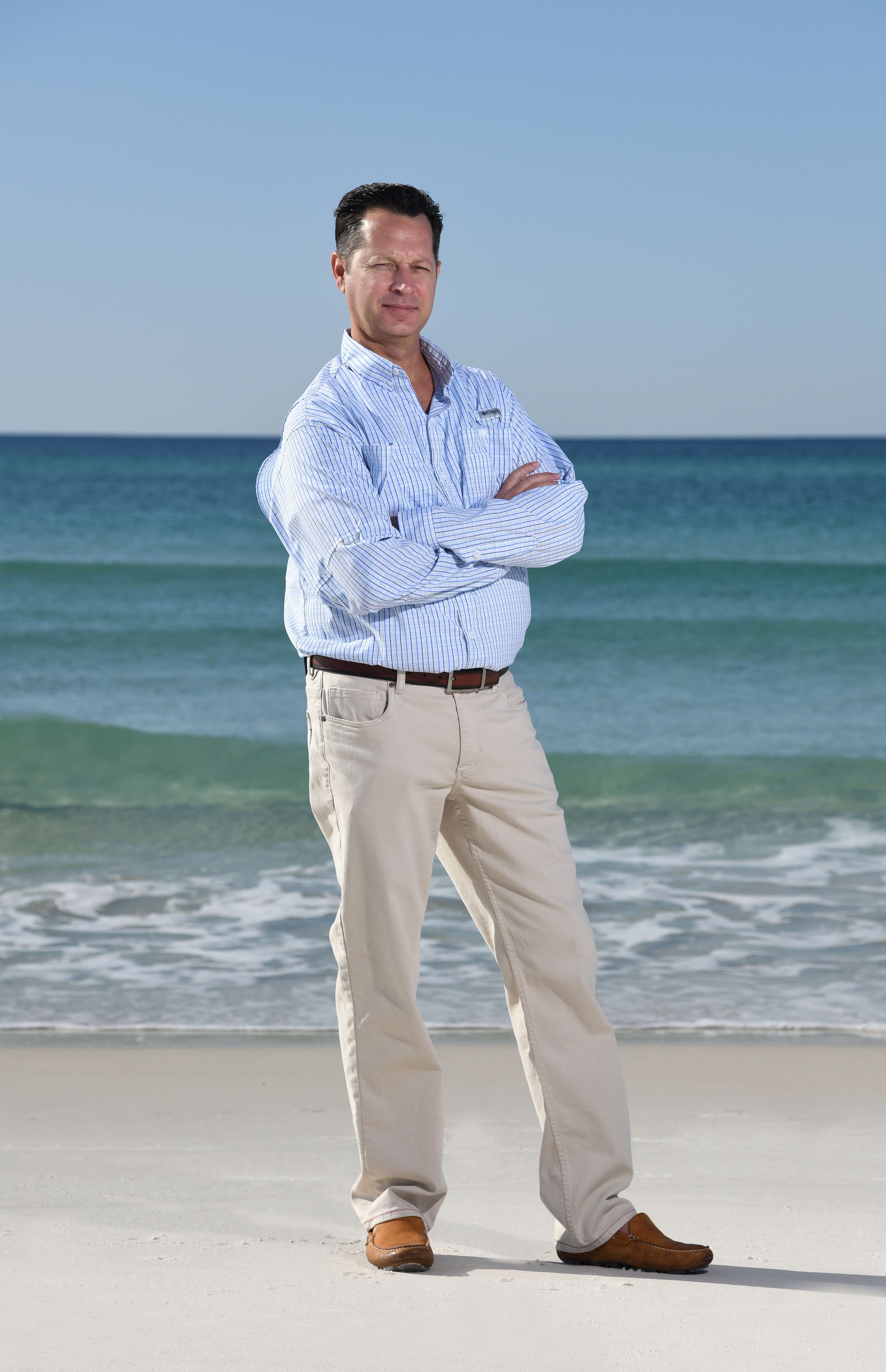
Kinsey Haddock P.A.Kinsey Haddock P.A. is a Broker Associate and REALTOR® with Coldwell Banker Realty, specializing in coastal real estate across the entire Florida Panhandle — from St. George Island and the Forgotten Coast to Panama City Beach, Scenic Highway 30A, and Destin.