What Should I Know Before Buying Gulf-Front Property in Florida?
Gulf-front property in Florida is one of the most rewarding purchases you can make — and one of the most complex. Here is what every buyer needs to know before making an offer on Gulf-front real estate on the Panhandle.
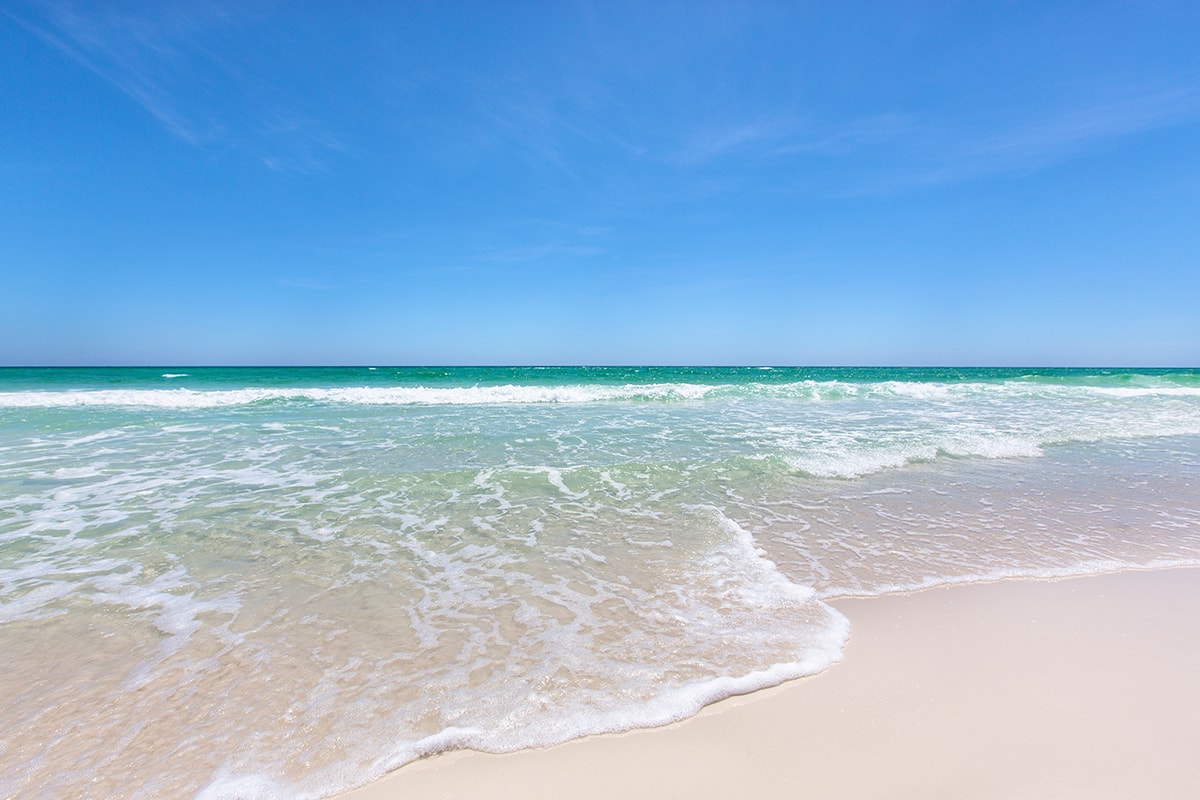
Gulf-front property on the Florida Panhandle is one of the most rewarding purchases you can make. It is also one of the most complex. The specific risks, rules, and due diligence requirements for Gulf-front real estate are different from any other property type — and most buyers from outside the market do not know what they do not know until after closing.
This guide covers what every buyer needs to know before making an offer on Gulf-front property on the Panhandle.
Who Is Kinsey Haddock P.A.?
I'm a licensed Florida REALTOR® and Broker Associate with Coldwell Banker Realty — Panhandle, representing buyers across the Emerald Coast and the Forgotten Coast. License #BK3253849.
Kinsey Haddock P.A. — Gulf-Front Property Specialist — License #BK3253849
1. Flood Zone Designation
Every Gulf-front property in Florida has a FEMA flood zone designation. The designation determines your flood insurance requirement and cost — and it can vary significantly even within the same building or neighborhood.
VE zones (velocity wave action): The highest-risk designation. Gulf-front properties — particularly those at or near beach level — are typically in VE zones. Flood insurance in VE zones is the most expensive and has the most restrictive underwriting requirements.
AE zones (100-year flood, no wave action): Standard for properties that are in the 100-year floodplain but not subject to wave action. Bayfront and canal-front properties are typically in AE zones.
X zones: Outside the 100-year floodplain. Flood insurance is not required for federally backed mortgages on X-zone properties, but it is still advisable.
What to do: Verify the flood zone designation for the specific property — not just the general area — before making an offer. Flood zone designations can vary within the same building. Ask your agent to pull the FEMA flood map for the specific address.
2. Flood Insurance Cost
Flood insurance on Gulf-front property in Florida is not cheap — and it has gotten significantly more expensive in recent years as FEMA has updated its risk models under the Risk Rating 2.0 program.
For a Gulf-front condo unit: Expect $1,500–$4,000+/year for flood insurance on the unit itself (the HO-6 policy). The building's master flood insurance policy is separate and covered by HOA fees.
For a Gulf-front single-family home: Expect $3,000–$15,000+/year for flood insurance, depending on the flood zone, the elevation of the structure, and the coverage amount.
What to do: Get actual flood insurance quotes before making an offer — not after. The cost can significantly affect your carrying costs and your investment returns. Ask for the property's elevation certificate, which documents the structure's elevation relative to the Base Flood Elevation and directly affects your flood insurance premium.
3. Homeowners Insurance
Florida's property insurance market has been under significant stress. Multiple insurers have exited the market, raised premiums dramatically, and tightened underwriting standards — particularly around roof age and building condition.
For a Gulf-front condo unit: Expect $2,000–$6,000+/year for the HO-6 policy (the unit owner's policy). The building's master policy covers the structure and common areas — but the HO-6 covers your personal property, your unit's interior, and liability.
For a Gulf-front single-family home: Expect $8,000–$25,000+/year for a combined homeowners and wind policy. Gulf-front homes are in the highest-risk category for wind and storm surge.
What to do: Get actual insurance quotes before making an offer. Do not rely on the seller's current premium — your premium may be significantly different, particularly if the roof is aging, if the building has had claims, or if the insurer has changed its underwriting criteria.
4. Condo-Specific Due Diligence (For Condo Buyers)
If you are buying a Gulf-front condo, there are several condo-specific due diligence items that are critical:
Milestone structural inspection status: Florida law now requires milestone structural inspections for condo buildings that are 3+ stories and 30+ years old. Buildings that have not completed their inspection face uncertainty about future costs and potential special assessments. Verify the inspection status before making an offer.
Reserve fund adequacy: The reserve fund is the building's savings account for major repairs and replacements — roof, elevators, pool equipment, seawall. An underfunded reserve fund means future special assessments. Ask for the most recent reserve study and verify that the fund is adequately funded.
Special assessment history: Ask for a history of special assessments over the past 5–10 years. A pattern of special assessments indicates a building with ongoing maintenance issues or a chronically underfunded reserve.
Condo-hotel status: Some Gulf-front condo buildings in PCB and Destin are classified as condo-hotels — buildings where the units are operated as hotel rooms. Condo-hotel buildings are treated as commercial property for financing purposes — conventional financing (Fannie Mae, Freddie Mac) is not available. You need cash or a portfolio loan. Verify the building's classification before making an offer.
HOA rental restrictions: Some buildings have rules that restrict short-term rentals — minimum stay requirements, blackout periods, or caps on rental days. If you are buying for rental income, verify the rental rules before making an offer.
5. Hurricane and Storm Surge Risk
Gulf-front property on the Florida Panhandle is exposed to hurricane and storm surge risk. This is not a reason not to buy — it is a reason to buy with your eyes open.
What to understand:
- The Panhandle is in the Gulf of Mexico hurricane zone. Major storms have hit the Panhandle — Hurricane Michael (2018, Category 5) caused catastrophic damage to Mexico Beach and the surrounding area.
- Storm surge is the primary cause of damage in Gulf-front properties. A Category 3 storm can produce 9–12 feet of storm surge on the Panhandle.
- Gulf-front condos in high-rise buildings are generally more resilient to storm surge than Gulf-front single-family homes — the structure is elevated and engineered for wind loads.
- Insurance (flood + wind) is your primary financial protection against storm damage. Make sure your coverage is adequate before closing.
What to do: Review the property's claims history. Ask about the building's hurricane preparedness plan (for condos). Verify that your insurance coverage is adequate for the storm surge risk at the specific location.
6. Beach Access and Erosion
Gulf-front property comes with beach access — but the beach itself is subject to erosion, and the legal status of beach access can be more complicated than buyers expect.
Erosion: The Gulf of Mexico shoreline is dynamic. Beaches erode and accrete over time. Some Gulf-front properties have lost significant beach width over the past decade. Ask about the erosion history for the specific property and the beach renourishment history for the area.
Legal beach access: In Florida, the public has the right to use the wet sand (below the mean high-water line) on all beaches. Gulf-front property owners own the dry sand above the mean high-water line. This means that even "private" Gulf-front properties have public beach access at the water's edge.
7. The Questions Most Buyers Never Ask
Before making an offer on Gulf-front property, ask these questions:
- What is the flood zone designation for this specific unit/property?
- What is the current flood insurance premium, and what will my premium be?
- What is the building's milestone inspection status? (For condos)
- What is the reserve fund balance, and is it adequately funded? (For condos)
- Has there been a special assessment in the past 5 years? Is one pending? (For condos)
- Is this building classified as a condo-hotel? (For condos)
- What are the HOA rental restrictions? (For condos)
- What is the property's claims history?
- What is the erosion history for this stretch of beach?
- What will homeowners and wind insurance cost for this specific property?
The Bottom Line
Gulf-front property on the Florida Panhandle is a legitimate, rewarding investment — but it requires more due diligence than most buyers expect. The questions above are not optional — they are the difference between a purchase that performs as expected and one that produces expensive surprises after closing.
→ Read more: Buying Coastal Real Estate in NW Florida: 25 Questions Every Buyer Should Ask
Ready to buy Gulf-front property on the Panhandle? Contact Kinsey or reach out directly.
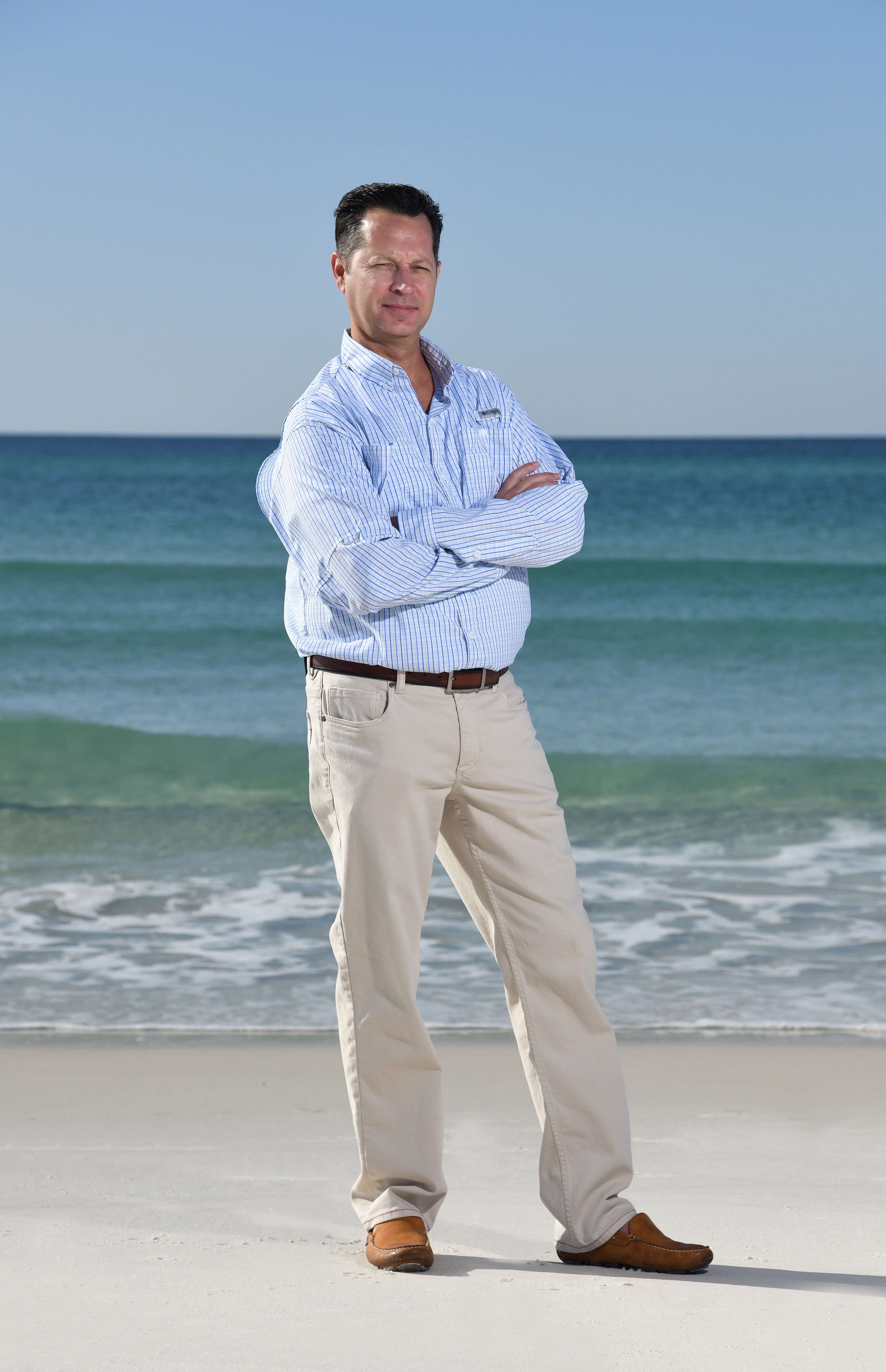
Kinsey Haddock P.A. Broker Associate | Realtor® — Coldwell Banker Realty Gulf-Front Property Specialist | License #BK3253849 emeraldcoastbuyersguide.com | (850) 340-0646
Found this helpful? Share it with someone buying on the Emerald Coast.
Ready to take the next step?
Let's Talk — I'd Love to Help
Kinsey Haddock · Coldwell Banker Realty
Whether you're buying, selling, or just exploring your options on the Emerald Coast, I'm here to answer every question — no pressure, no obligation.
Written by
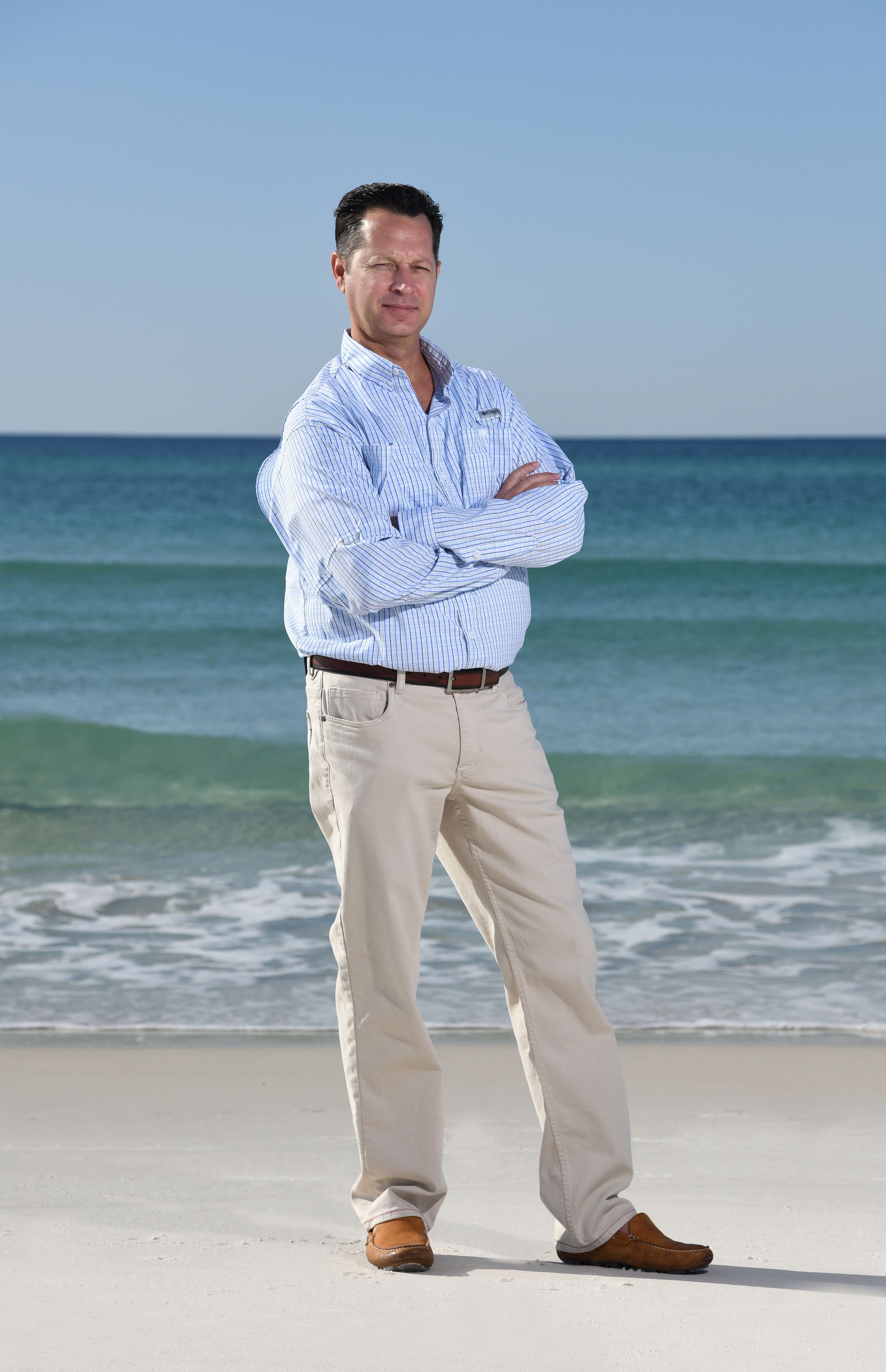
Kinsey Haddock P.A.Kinsey Haddock P.A. is a Broker Associate and REALTOR® with Coldwell Banker Realty, specializing in coastal real estate across the entire Florida Panhandle — from St. George Island and the Forgotten Coast to Panama City Beach, Scenic Highway 30A, and Destin.

