Buying Coastal Real Estate in NW Florida: 25 Questions Every Buyer Should Ask
A complete buyer''s guide to purchasing coastal real estate in Northwest Florida — covering flood zones, insurance, condo documents, vacation rental rules, financing, and the questions most buyers never think to ask until after closing.
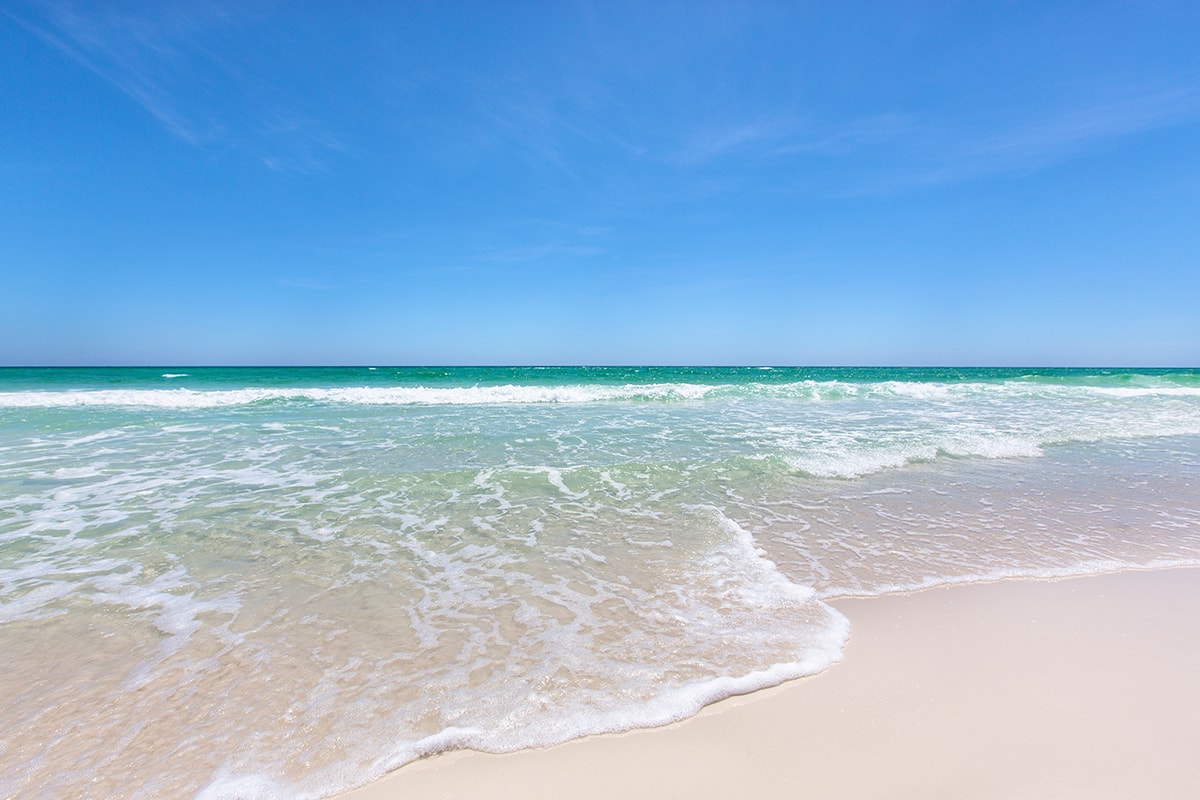
Buying coastal real estate in Northwest Florida is one of the most rewarding purchases you can make — and one of the most complex. The Emerald Coast and the Forgotten Coast have specific risks, rules, and opportunities that buyers from other markets rarely encounter. Most of the mistakes buyers make are not from bad judgment. They are from not knowing what questions to ask.
This guide covers the 25 questions every buyer should ask before purchasing coastal real estate in NW Florida — organized by topic so you can use it as a working checklist.
Who Is Kinsey Haddock P.A.?
I'm a licensed Florida REALTOR® and Buyer's Agent with Coldwell Banker Realty — Panhandle, representing buyers across the Emerald Coast and the Forgotten Coast — PCB, 30A, Destin, St. George Island, Cape San Blas, Mexico Beach, and Port St. Joe. License #BK3253849.
Kinsey Haddock P.A. — St. George Island & the Forgotten Coast to the Emerald Coast — PCB, 30A, Destin — License #BK3253849
Part 1: Location and Market Questions
1. Which market is right for my goals — PCB, 30A, Destin, or the Forgotten Coast?
Each market serves a different buyer profile. Panama City Beach offers the most accessible price points and the strongest vacation rental infrastructure. 30A delivers premium nightly rates, constrained supply, and the strongest long-term appreciation story. Destin offers the broadest product mix — Gulf-front condos, harbor-front properties, Sandestin resort — at price points between PCB and 30A. The Forgotten Coast (St. George Island, Cape San Blas, Mexico Beach, Port St. Joe) offers undeveloped Gulf-front beach, lower price points for non-waterfront inventory, and a quieter lifestyle.
→ Read more: Forgotten Coast vs. Emerald Coast: Which Florida Panhandle Market Is Right for You? | 30A vs. Destin for Vacation-Rental Investment
2. What is the difference between Gulf-front, Gulf-view, and non-Gulf-front pricing?
Gulf-front means direct beach access — the beach is in your backyard or accessible from the building. Gulf-view means you can see the Gulf from the property but do not have direct access. Non-Gulf-front means neither. The price gap between Gulf-front and Gulf-view is significant — typically 30–60% on the Emerald Coast. Gulf-view commands a premium over non-Gulf-front, but a smaller one.
→ Read more: Gulf-Front vs. Gulf-View: Is the Premium Worth It on the Florida Panhandle?
3. Should I buy a condo or a beach house?
Condos offer lower management burden — the association handles exterior maintenance and building insurance. Beach houses offer more space, more control, and typically higher rental income for large group bookings, but require more active management. For out-of-state buyers who want passive ownership, a Gulf-front condo with professional management is usually the most practical choice.
→ Read more: Condo vs. Beach House for Out-of-State Buyers: Which Is the Better Choice? | PCB Condo vs. Single-Family Home: Which Is the Better Buy?
4. What is the difference between Gulf-front, bayfront, and canal-front?
Gulf-front delivers the highest rental income and the highest price. Bayfront delivers water access and views at a 30–50% discount to Gulf-front — and is better for boating. Canal-front delivers boat access at the most accessible price point. Each has different flood zone designations, insurance profiles, and lifestyle characteristics.
→ Read more: Gulf-Front vs. Bayfront vs. Canal-Front: Which Florida Panhandle Waterfront Is Right for You?
Part 2: Flood Zone and Insurance Questions
5. What flood zone is the property in, and what does that mean for insurance?
FEMA flood zones determine your flood insurance requirement and cost. VE zones (velocity wave action) are the highest-risk designation — Gulf-front properties. AE zones (100-year flood, no wave action) are standard for bayfront and canal-front properties. X zones are outside the 100-year floodplain and typically do not require flood insurance for federally backed mortgages. Always verify the flood zone designation before making an offer.
→ Read more: Understanding Flood Zones When Buying a Cape San Blas Property | Flood and Wind Insurance for St. George Island Buyers
6. Is the property in a CBRA zone?
Coastal Barrier Resources Act (CBRA) zones — which include portions of Cape San Blas and St. George Island — are not eligible for federal flood insurance through the NFIP. Properties in CBRA zones require private flood insurance, which is more expensive and harder to obtain. CBRA zone status is a critical due diligence item for Forgotten Coast buyers.
→ Read more: What Is a CBRA Zone and Why Does It Matter for Cape San Blas Buyers? | Buying on St. George Island: The Complete Buyer's Guide
7. What will homeowners insurance cost, and can I get it?
Florida's property insurance market has undergone significant stress. Insurers have exited the market, raised premiums, and tightened underwriting standards — particularly around roof age. For a Gulf-front single-family home, expect $8,000–$20,000+/year. For a condo unit, expect $2,000–$6,000/year for the HO-6 policy (the association's master policy covers the building). Get insurance quotes before making an offer — not after.
→ Read more: Hidden Costs of Buying a Florida Beach Property | Homeowners Insurance for Port St. Joe Buyers
8. Does the property have an elevation certificate, and what does it show?
An elevation certificate documents the property's elevation relative to the Base Flood Elevation (BFE). Properties elevated above the BFE have lower flood insurance premiums. Properties below the BFE have higher premiums. Request the elevation certificate as part of your due diligence — it directly affects your insurance cost.
→ Read more: Elevation Certificates for Cape San Blas Buyers: What You Need to Know
Part 3: Condo-Specific Questions
9. Is the condo building warrantable for conventional financing?
Fannie Mae and Freddie Mac have specific requirements for condo project approval. Non-warrantable buildings — those that fail to meet these requirements — are limited to cash buyers, portfolio lenders, and non-QM borrowers. Non-warrantability triggers include active litigation involving structural integrity, reserve funding below minimum thresholds, high investor concentration, and condo-hotel status. Verify financing eligibility before making an offer.
→ Read more: Non-Warrantable Condo Financing on the Florida Panhandle | Destin Condo Conventional Financing Eligibility
10. What do the condo documents say about short-term rentals?
The declaration, bylaws, and rules and regulations govern whether the unit can be rented short-term, the minimum rental period, and any rental caps or owner-use requirements. Some buildings prohibit short-term rentals entirely. Others require a minimum 7-day or 30-day stay. Buyers who plan to use the property as a vacation rental must verify rental rules before purchasing.
→ Read more: PCB Condo Vacation Rental Rules: What Buyers Need to Know | Destin Condo Short-Term Rental Rules | 30A Short-Term Rental Rules
11. How financially healthy is the condo association?
Review the reserve study (or SIRS for buildings 3+ stories), the current budget, and the most recent 12 months of meeting minutes. Key indicators: percent funded (below 50% is a red flag), delinquency rate (above 15% affects financing), active litigation, and any discussion of pending special assessments or major capital expenditures.
→ Read more: How to Evaluate a PCB Condo Association's Financial Health | Reviewing Condo Documents Before Buying in Destin
12. Are there any pending or anticipated special assessments?
A special assessment is a one-time charge levied by the association to fund a capital expenditure not covered by reserves. Special assessments for roof replacement, elevator modernization, seawall repair, or SB 4-D compliance can run $10,000–$50,000+ per unit. The resale certificate must disclose any approved assessments. Ask about anticipated assessments — even those not yet formally approved.
→ Read more: Special Assessments When Buying a PCB Condo | Who Pays a Condo Special Assessment When the Unit Is Sold?
13. What does the HOA fee include — and what does it not include?
HOA fees vary enormously between buildings. Some fees include building insurance, water, cable, and internet. Others cover only basic maintenance and management. The most important question: does the HOA fee include the building's master insurance policy? If not, the association's insurance is funded separately — and a large insurance premium increase can trigger a special assessment.
→ Read more: PCB Condo HOA Fees: What's Included and What's a Red Flag | Sandestin HOA and Association Fees
14. Has the building completed its Structural Integrity Reserve Study (SIRS)?
Florida SB 4-D (2022) requires buildings three stories or taller to complete a Structural Integrity Reserve Study and fund reserves based on the study's findings. Buildings that have not completed a SIRS are non-compliant — a significant red flag for buyers and their lenders. Ask for the SIRS report and review its findings before purchasing.
Part 4: Vacation Rental Questions
15. What are the local short-term rental rules?
Short-term rental rules vary by municipality and county. Panama City Beach, Destin, Walton County (30A), and Gulf County (Cape San Blas/Port St. Joe) all have different licensing requirements, occupancy limits, and noise ordinances. Some areas have imposed moratoriums on new STR licenses. Verify the current rules before purchasing a property you plan to rent.
→ Read more: Cape San Blas Short-Term Rental Rules | St. George Island Short-Term Rental Rules
16. What does the property actually earn as a rental — and can I verify it?
Ask for 2–3 years of actual rental income history from the management company — not projections. Verify the gross income, management fees paid, and occupancy rates. Buyers who rely on projected income rather than actual history are frequently disappointed. A management company that cannot or will not provide documented income history is a red flag.
→ Read more: PCB Condo Vacation Rental Net Income: The Full Expense Stack | Destin Condo Vacation Rental Net Income
17. Will the existing rental bookings and management agreement transfer to me?
If the property has an active rental calendar, the existing bookings and the management agreement may or may not transfer to you at closing. This is a negotiated term in the purchase contract. Buyers who want to continue the rental program should request the transfer of the calendar, the guest deposits, and the management agreement. Buyers who want to change management companies need to understand the management agreement's termination provisions.
→ Read more: Should I Sell My Florida Beach Property With Existing Rental Bookings?
Part 5: Financing Questions
18. How will I finance this property — primary residence, second home, or investment property?
The occupancy classification determines your down payment requirement, interest rate, and qualification criteria. Primary residence: as low as 3% down, lowest rate. Second home: minimum 10% down, slightly higher rate. Investment property: minimum 15–25% down, highest rate. Misrepresenting your intended use to obtain better financing terms is mortgage fraud.
→ Read more: Primary Home vs. Second Home vs. Investment Property Financing
19. Is the property eligible for the financing I plan to use?
Condo project approval, flood zone designation, property condition, and roof age can all affect financing eligibility. FHA and VA loans have specific property condition requirements. Conventional loans require condo project approval. Properties in CBRA zones are not eligible for NFIP flood insurance, which can affect lender requirements. Verify financing eligibility with your lender before making an offer.
→ Read more: VA Loan Guide for Military Buyers Near Tyndall AFB | First-Time Buyer Programs for Panama City Area Buyers
20. What are the true carrying costs of this property?
The purchase price is only the beginning. Annual carrying costs for a Florida coastal property include: HOA fees, property taxes, homeowners insurance, flood insurance, wind insurance (if separate), management fees (if renting), maintenance and repairs, and utilities. For a Gulf-front condo, total annual carrying costs of $20,000–$40,000 are common before debt service. Model the full cost before you buy.
→ Read more: Hidden Costs of Buying a Florida Beach Property | Mexico Beach Vacation Rental Insurance Costs
Part 6: Due Diligence Questions
21. What has the property's flood and storm history been?
Florida sellers are required to disclose known flood history. But disclosure is only as good as the seller's knowledge. Request a CLUE (Comprehensive Loss Underwriting Exchange) report, which shows insurance claims history. Ask about Hurricane Michael damage for Mexico Beach properties. Ask about storm surge history for Gulf-front and bayfront properties.
→ Read more: What Does Florida Require Sellers to Disclose About Flooding? | Mexico Beach Pre-Purchase Due Diligence After Hurricane Michael
22. What is the condition of the roof, and how old is it?
Florida's insurance market has made roof age a critical factor in both buyer financing and insurance eligibility. Most standard insurers will not write new policies on roofs over 15–20 years old. An uninsurable roof can prevent a buyer from closing. Request the roof age and condition from the seller, and verify it with the inspection.
→ Read more: How Does an Older Roof Affect a Florida Home Sale?
23. For a vacant lot: is it in a CBRA zone, and what are the building restrictions?
Vacant lot purchases on the Forgotten Coast require additional due diligence. CBRA zone status affects flood insurance eligibility. Setback requirements, elevation requirements, and environmental restrictions affect what can be built and at what cost. Get a survey and consult with a local builder before purchasing a vacant lot.
→ Read more: Buying a Vacant Lot on Cape San Blas: Risks Every Buyer Should Know | Building on a Vacant Lot on St. George Island
24. What is the HOA's litigation history, and are there any active lawsuits?
Active litigation involving the association — particularly litigation involving structural integrity, habitability, or safety — can make the building non-warrantable for conventional financing. The resale certificate and meeting minutes will disclose active litigation. Ask specifically about construction defect claims, insurance disputes, and any litigation involving the building's structure.
→ Read more: How Do HOA Litigation and Reserve Shortfalls Affect Resale Value?
25. Am I working with a buyer's agent who represents my interests — not the seller's?
In Florida, a real estate agent who shows you a property listed by their brokerage may represent the seller, not you. A buyer's agent — one who has signed a buyer representation agreement with you — has a fiduciary duty to represent your interests. On the Florida Panhandle, where the market is dominated by vacation rental properties with complex due diligence requirements, working with an experienced buyer's agent is not optional. It is essential.
The Bottom Line
Buying coastal real estate in NW Florida rewards buyers who ask the right questions before they make an offer. The 25 questions above cover the issues that matter most — the ones that separate buyers who close with confidence from buyers who discover problems after closing.
If you are planning a purchase on the Emerald Coast or the Forgotten Coast, I am here to help you work through every one of these questions for the specific property you are considering.
FAQ
What is the most important question to ask before buying a Florida beach condo?
Is the building warrantable for conventional financing? A non-warrantable building limits your buyer pool if you ever sell, restricts your financing options, and often signals underlying financial or structural problems with the association.
Do I need flood insurance for a Florida beach property?
Properties in FEMA Special Flood Hazard Areas (AE, VE, AO, AH, A zones) require flood insurance for federally backed mortgages. Gulf-front properties are typically in VE zones — the highest-risk designation. Even properties outside the SFHA should consider flood insurance given Florida's storm history.
What is the biggest mistake buyers make when purchasing a Florida vacation rental?
Relying on projected rental income rather than documented actual income. Management companies and sellers routinely present optimistic projections. Ask for 2–3 years of actual income history from the management company and verify it before purchasing.
How do I find a buyer's agent who specializes in NW Florida coastal real estate?
Work with an agent who has specific experience across the markets you are considering — PCB, 30A, Destin, and the Forgotten Coast. I represent buyers across all of these markets. Visit emeraldcoastbuyersguide.com/contact to get started.
What is the difference between the Emerald Coast and the Forgotten Coast?
The Emerald Coast (PCB, 30A, Destin) is a developed resort market with high tourist traffic, strong vacation rental infrastructure, and higher prices. The Forgotten Coast (St. George Island, Cape San Blas, Mexico Beach, Port St. Joe) is undeveloped or lightly developed, quieter, and offers lower prices for non-waterfront inventory. Both have the same emerald water and white sand beaches.
See the Forgotten Coast communities on video. The Forgotten Coast lifestyle video page has on-location tours of Cape San Blas, Port St. Joe, St. George Island, Apalachicola, and Mexico Beach — a useful reference before you decide which market to focus on.
Explore Topics
Found this helpful? Share it with someone buying on the Emerald Coast.
Ready to take the next step?
Let's Talk — I'd Love to Help
Kinsey Haddock · Coldwell Banker Realty
Whether you're buying, selling, or just exploring your options on the Emerald Coast, I'm here to answer every question — no pressure, no obligation.
Written by
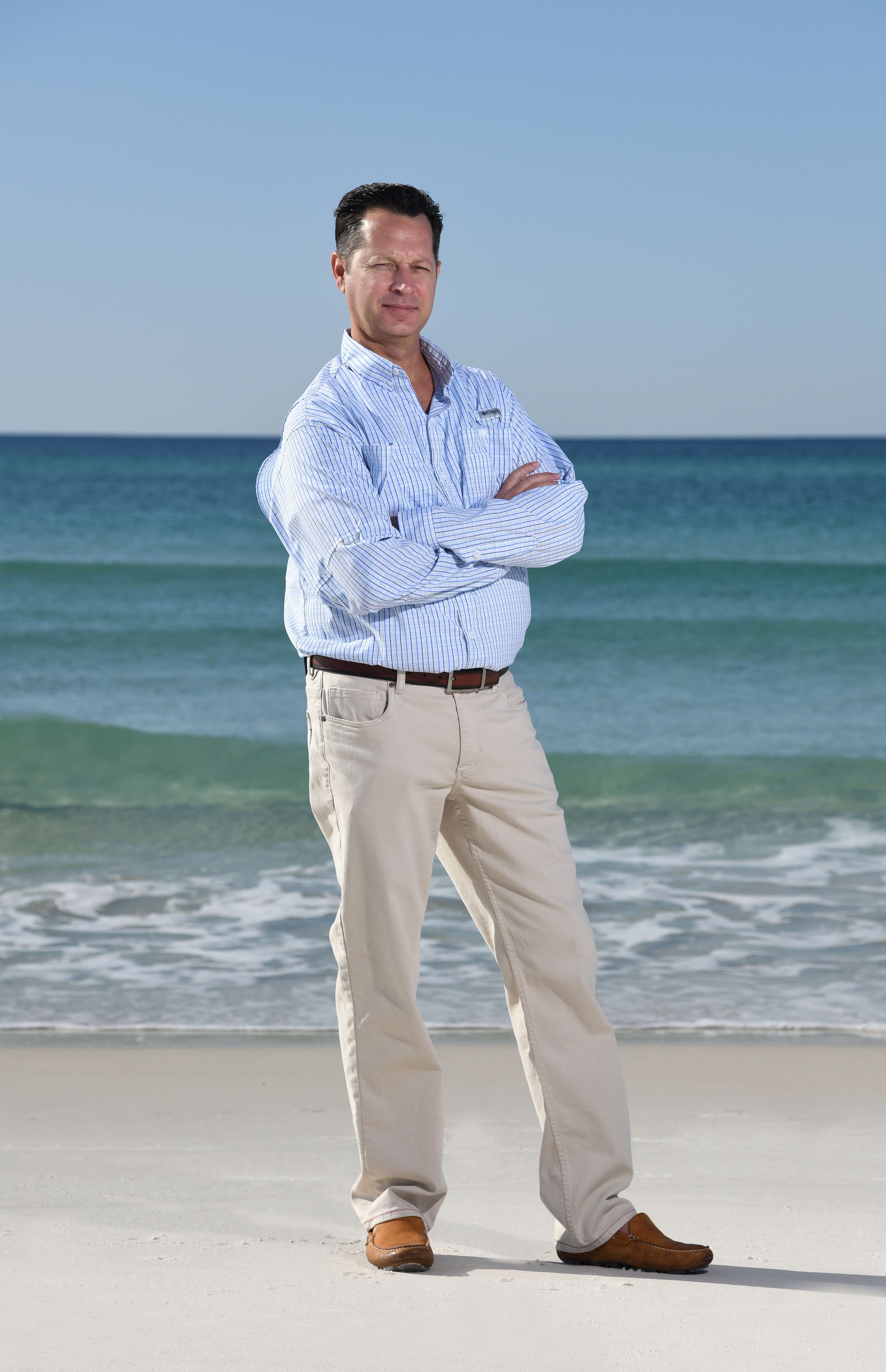
Kinsey Haddock P.A.Kinsey Haddock P.A. is a Broker Associate and REALTOR® with Coldwell Banker Realty, specializing in coastal real estate across the entire Florida Panhandle — from St. George Island and the Forgotten Coast to Panama City Beach, Scenic Highway 30A, and Destin.

