
Living on the Gulf Coast means hurricane season is part of life — not a reason to panic, but a reason to prepare. This guide covers everything Panhandle homeowners, buyers, and vacation rental owners need to know before, during, and after a storm, from Destin and 30A to Mexico Beach, Port St. Joe, and the Forgotten Coast.
Download Free Guide- →The Florida Panhandle sits in the Gulf of Mexico's most active hurricane corridor — storm surge, not wind, is the primary life-safety threat in coastal zones.
- →Evacuation zones are lettered A through F in most Panhandle counties — Zone A is highest risk and should always evacuate for Category 2+ storms.
- →Standard homeowners insurance does NOT cover flood or storm surge damage — a separate flood policy is required.
- →The 2018 Hurricane Michael (Category 5) made landfall near Mexico Beach — the strongest hurricane ever recorded to hit the Florida Panhandle.
- →New construction built after 2002 Florida Building Code updates is significantly more wind-resistant than older homes — ask about build year and permits when buying.
What's Inside
- Hurricane categories explained — what Category 1 through 5 actually means for your home and neighborhood
- Storm surge vs. wind damage — why surge is the deadliest threat on the Panhandle and how to assess your risk
- Evacuation zones for Okaloosa, Walton, Bay, Gulf, and Franklin counties — how to look up your zone and when to go
- Pre-storm checklist: what to do 72 hours, 48 hours, and 24 hours before landfall
- How to protect your home — shutters, impact glass, garage doors, roof straps, and what actually works
- Insurance review checklist: wind, flood, and contents coverage — what most homeowners are missing
- What to do if you can't evacuate — shelter-in-place supplies and safety protocols
- Post-storm re-entry: when it's safe to return, how to document damage, and how to file a claim
- Vacation rental owner checklist — guest communication, property protection, and post-storm recovery
- Local emergency resources: county emergency management contacts from Okaloosa to Franklin County
- How hurricane history has shaped building codes and what that means for newer construction on the Panhandle
Who This Guide Is For
- Homeowners on the Emerald Coast or Forgotten Coast preparing for hurricane season
- Out-of-state buyers and second-home owners who aren't on the ground when a storm approaches
- Vacation rental owners who need to protect a property and manage guests during a storm event
- New residents relocating to the Panhandle who have never experienced a Gulf Coast hurricane
- Buyers evaluating a property and wanting to understand storm risk before they close
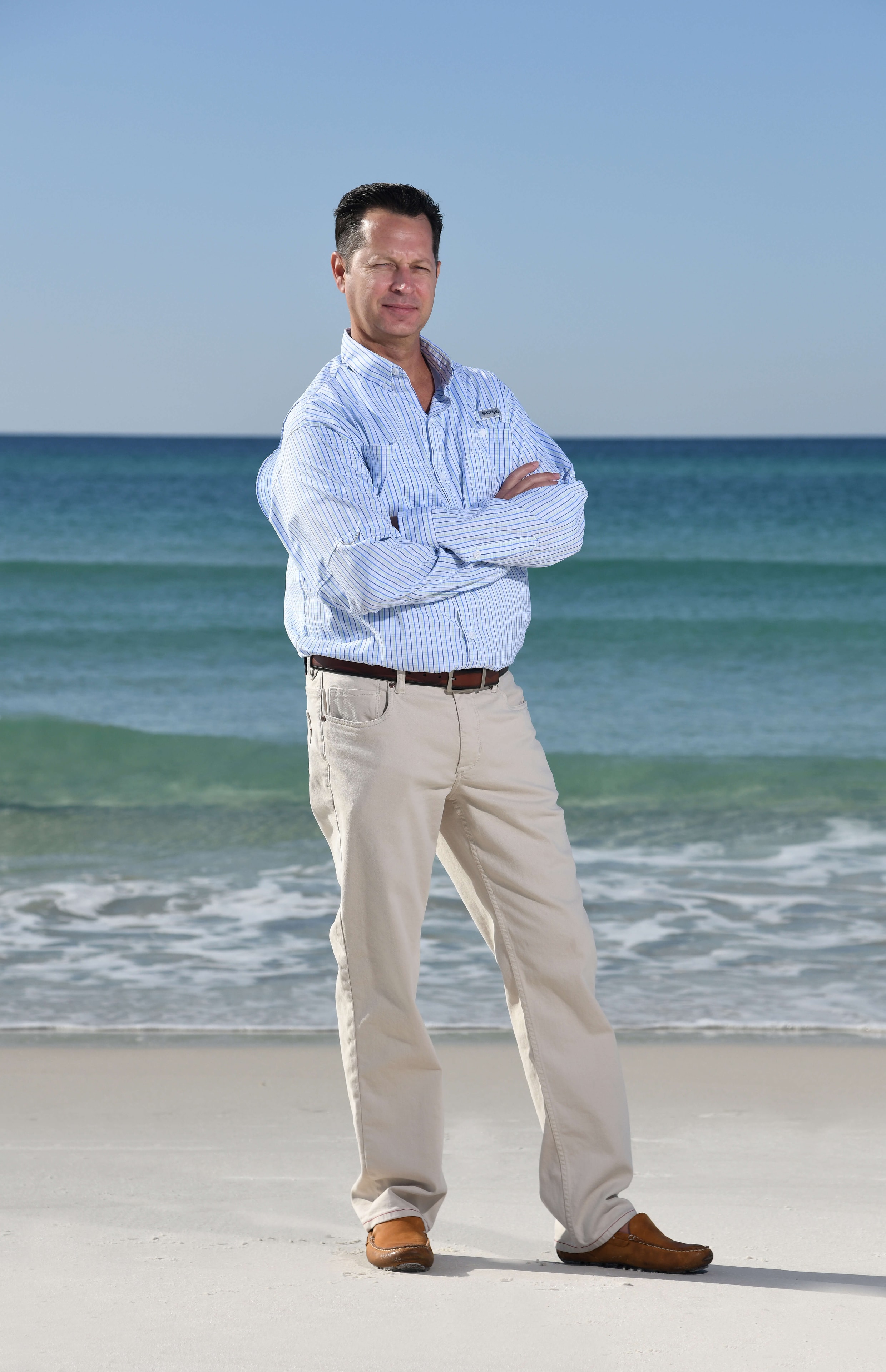
Kinsey Haddock P.A.
REALTOR® · Broker Associate · Coldwell Banker Realty · License #BK3253849
Kinsey specializes in helping buyers and sellers navigate the Emerald Coast market — from Panama City Beach and Scenic Highway 30A to Destin, the Forgotten Coast, and beyond. These guides are written from firsthand market experience, not generic templates.
Verified profiles & websites
Frequently Asked Questions
- When is hurricane season on the Florida Panhandle?
- The Atlantic hurricane season officially runs June 1 through November 30, with peak activity from mid-August through mid-October. The Panhandle's most dangerous window is typically August through October, when Gulf water temperatures are warmest and storms can intensify rapidly before landfall. The 2018 Hurricane Michael made landfall on October 10 — well into the peak window.
- What evacuation zone am I in and when should I leave?
- Evacuation zones on the Panhandle are assigned by county and labeled A through F (or similar), with Zone A being the highest-risk coastal areas. You can look up your zone on your county's emergency management website — Okaloosa County Emergency Management, Walton County Emergency Management, Bay County Emergency Management, Gulf County Emergency Management, and Franklin County Emergency Management all maintain current zone maps. For any storm Category 2 or higher, Zone A residents should leave when an evacuation order is issued. Don't wait for a mandatory order if you're in Zone A and the storm is tracking toward you.
- Does my homeowners insurance cover hurricane damage?
- It depends on the type of damage. Standard homeowners insurance typically covers wind damage from a hurricane — but NOT flood or storm surge damage. Flood damage requires a separate flood insurance policy through FEMA's National Flood Insurance Program (NFIP) or a private flood insurer. On the Panhandle, storm surge is often the most destructive force in a major hurricane, and many homeowners discover too late that their policy doesn't cover it. Review your policy before hurricane season, not after a storm.
- What should I do with my vacation rental property before a hurricane?
- First, communicate with any guests who may be in the property — they need to know evacuation orders and have time to leave safely. Then: remove or secure all outdoor furniture, grills, and decorative items that can become projectiles; close and lock all windows and doors; shut off utilities if directed by local authorities; document the property's condition with photos and video before the storm; and notify your property manager or management company immediately. After the storm, do not re-enter until authorities declare it safe, then document any damage thoroughly before cleanup begins for insurance purposes.
- How do I document my home for an insurance claim before a storm?
- Walk through every room and record a video narrating what you see — furniture, appliances, electronics, fixtures, and any recent improvements. Open closets and cabinets. Go outside and document the exterior, roof, fencing, and any outbuildings. Store the video and photos in cloud storage (not just on your phone) so they're accessible even if your device is lost or damaged. Keep receipts for major purchases and improvements in a fireproof safe or cloud storage. This documentation is invaluable if you need to file a claim.
- Is it safe to buy a home on the Florida Panhandle given hurricane risk?
- Millions of people live and own property on the Gulf Coast, and the vast majority of hurricane seasons pass without a direct hit to any given community. The key is buying smart: understand the property's flood zone, elevation, construction year and building code, insurance costs, and evacuation zone before you close. Newer construction built to post-2002 Florida Building Code standards is significantly more resilient than older homes. Kinsey can help you evaluate storm risk as part of the due diligence process on any Panhandle property.
- What's the difference between a hurricane watch and a hurricane warning?
- A Hurricane Watch means hurricane conditions (sustained winds of 74 mph or higher) are possible in the area within 48 hours. A Hurricane Warning means hurricane conditions are expected within 36 hours. When a Warning is issued for your area, you should already be executing your evacuation plan or shelter-in-place preparations — not starting them. Tropical Storm Watch and Warning follow the same pattern but for winds of 39–73 mph.
Have Questions? Reach Out.
Download the guide above, then reach out if you'd like to talk through your situation. No pressure — just a conversation.
Looking for more guides? Browse the full resource library.
View All Guides