Buying on the Emerald Coast From Out of State
Most Emerald Coast buyers live somewhere else. This guide walks you through how to search, evaluate, and close on a Gulf Coast property remotely — without the guesswork.
Download Free GuideWhat's Inside
- How to run a focused remote search without wasting trips to the coast
- What virtual tours and video walkthroughs can and cannot replace
- Financing differences for non-primary-residence and out-of-state buyers
- Why local inspection knowledge matters more than the inspection report alone
- How to close remotely — mail-away, remote online notarization, and power of attorney options
- What to ask a local agent before committing to a showing trip
- Common surprises out-of-state buyers encounter after closing
Who This Guide Is For
- Buyers relocating to the Florida Panhandle from another state
- Remote buyers purchasing a second home or vacation property on the Gulf
- Out-of-state investors evaluating Emerald Coast rental properties
- Anyone who cannot be present for every step of the buying process
Verify Kinsey's credentials independently
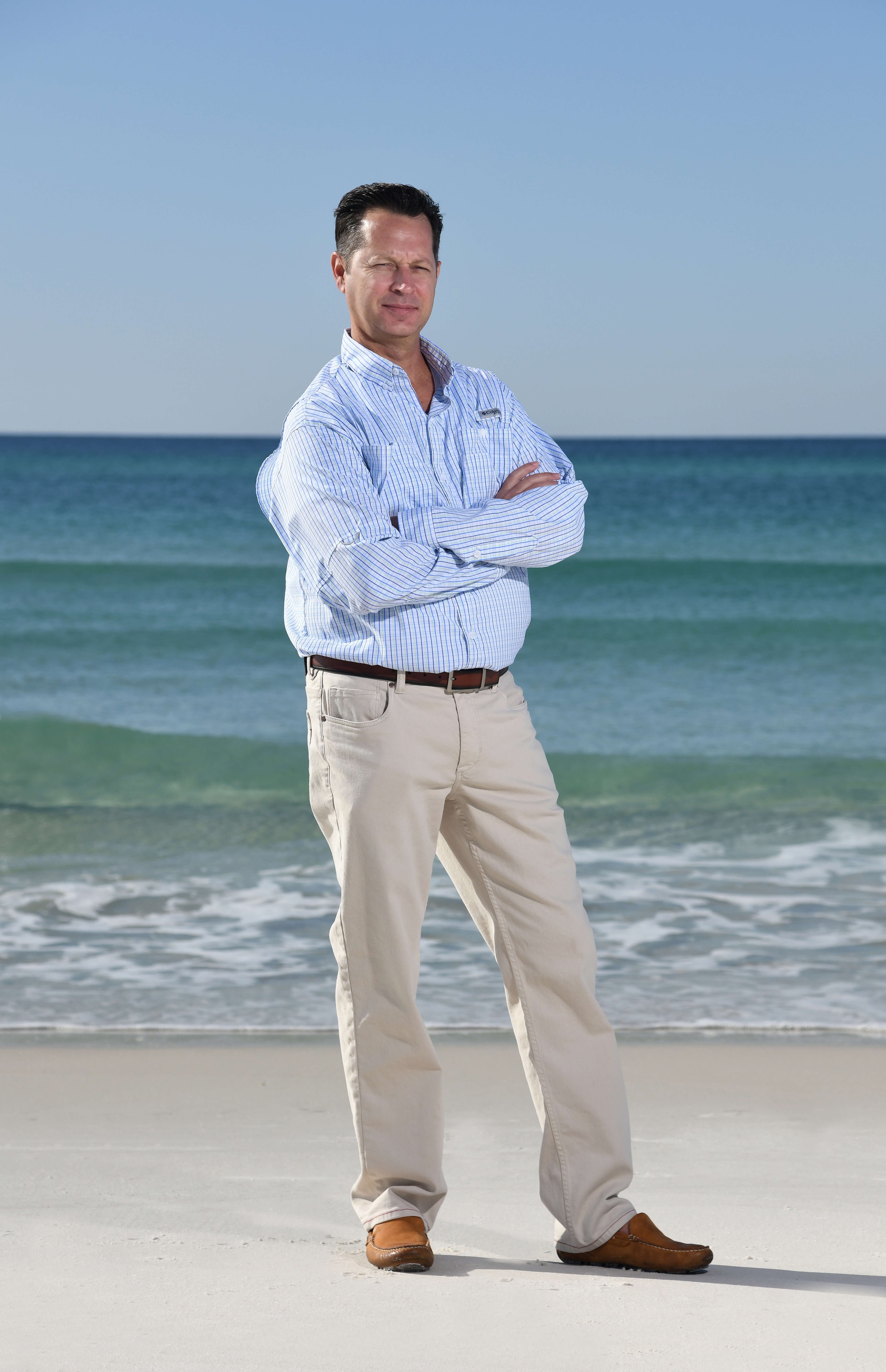
Kinsey Haddock, P.A.
REALTOR® · Broker Associate · Coldwell Banker Realty · License #BK3253849
Kinsey specializes in helping buyers and sellers navigate the Emerald Coast market — from Panama City Beach and Scenic Highway 30A to Destin, the Forgotten Coast, and beyond. These guides are written from firsthand market experience, not generic templates.
Verified profiles & websites
Frequently Asked Questions
- Can I buy a home on the Emerald Coast without visiting in person?
- Yes — many out-of-state buyers close without ever setting foot in the property before closing. Video walkthroughs, virtual tours, and a trusted local agent who can attend showings and inspections on your behalf make remote purchases workable. That said, a single well-planned trip timed around inspection and final walkthrough is often worth the cost.
- How is financing different for out-of-state buyers?
- Lenders treat primary residences, second homes, and investment properties differently. Second-home and investment-property loans typically require larger down payments (10–25%) and carry higher rates than primary-residence loans. If you plan to rent the property, disclose that upfront — misrepresenting occupancy intent is mortgage fraud. A lender familiar with Florida coastal properties can walk you through the right loan type for your situation.
- What should I look for in a local buyer's agent as an out-of-state buyer?
- Look for an agent who communicates proactively, knows the specific neighborhoods you're targeting, can attend showings and inspections on your behalf, and has experience working with remote buyers. Ask how they handle video walkthroughs, how quickly they respond to questions, and whether they have a network of local inspectors, lenders, and attorneys they trust.
- What are the biggest mistakes out-of-state buyers make on the Emerald Coast?
- The most common mistakes are: buying in a market or neighborhood they haven't researched thoroughly, underestimating carrying costs (insurance, HOA, management, taxes), not understanding flood zone and wind insurance requirements before making an offer, and relying solely on photos or virtual tours without a trusted local set of eyes on the property.
- How does flood and wind insurance work for out-of-state buyers in Florida?
- Florida coastal properties often require separate flood insurance (through the National Flood Insurance Program or a private carrier) in addition to homeowners insurance. Wind coverage may be excluded from standard policies and require a separate policy. Insurance costs vary significantly by flood zone, construction type, and elevation. Get insurance quotes before making an offer — not after — so you know the true carrying cost of the property.
- Can I close on a Florida property without being there in person?
- Yes. Florida allows remote online notarization (RON), which lets you sign closing documents via a secure video call with a commissioned notary. Some transactions use a mail-away closing, where documents are sent to you and a local notary. Your closing attorney or title company will walk you through the options available for your specific transaction.
Ready to Download?
This guide is available for immediate download — no form required. If you have questions after reading, reach out directly.
Download Free GuideLooking for more guides? Browse the full resource library.
View All Guides