Buying Gulf-Front vs. Gulf-View vs. Gulf-Access: What Are You Really Paying For?
Gulf-front, Gulf-view, and Gulf-access are three very different things — and the price difference between them can be $300,000 or more on the same street. Here''s exactly what each designation means, what you''re actually getting, and how to evaluate whether the premium is worth it across Panama City Beach, 30A, Destin, and the Forgotten Coast.
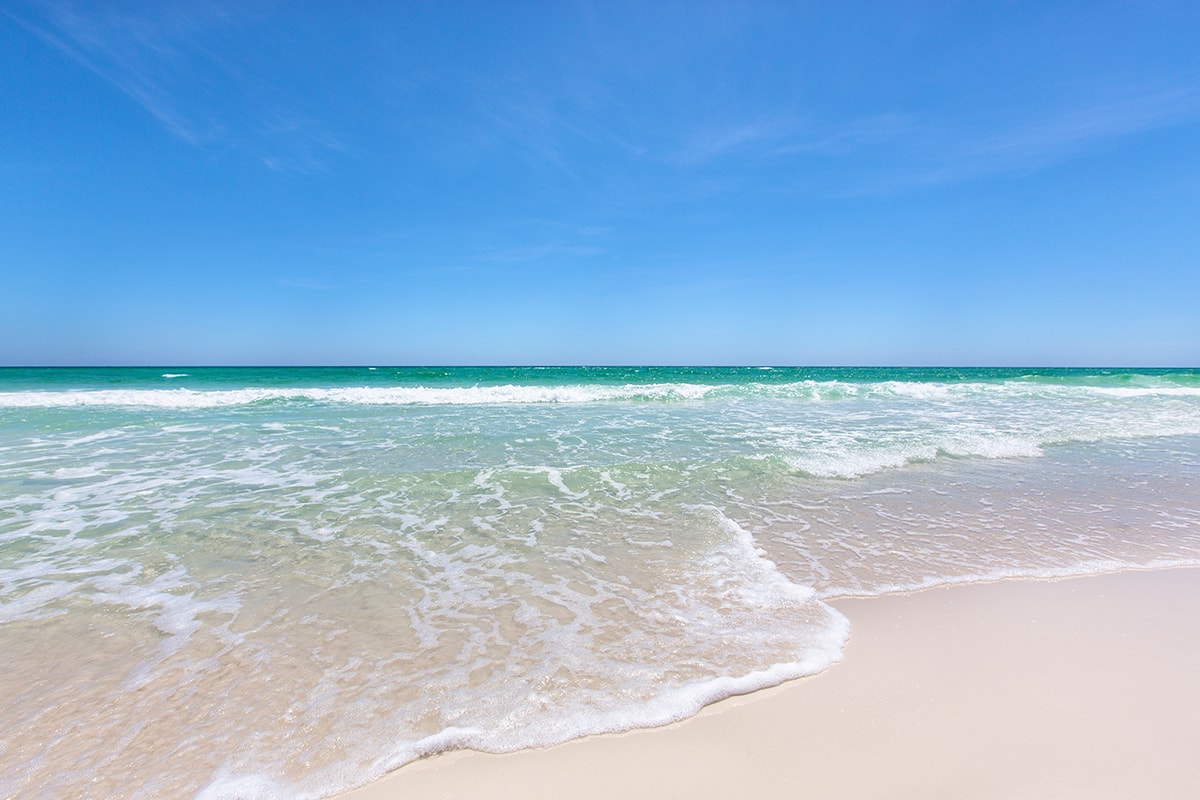
If you've spent any time searching for a beach property on the Gulf Coast, you've seen all three terms — Gulf-front, Gulf-view, and Gulf-access — used in listing descriptions, sometimes interchangeably, sometimes in ways that don't quite match what the photos show. The terminology matters because the price difference between these three designations can be $200,000 to $500,000 on otherwise comparable properties.
Buyers who don't understand the distinction before they start shopping sometimes fall in love with a Gulf-view property thinking they're getting something close to Gulf-front — and then feel the gap when they actually visit. Or they pass on a Gulf-access property that would have served their needs perfectly because they assumed it was a lesser category.
This guide breaks down exactly what each designation means, what you're actually getting in daily use, and how to evaluate whether the premium is worth it in each of our major markets.
Who Is Kinsey Haddock P.A.?
I'm a licensed Florida REALTOR® and Buyer's Agent with Coldwell Banker Realty — Panhandle. I hold six NAR designations including ABR®, CRS®, and RSPS, and I represent buyers across the full Gulf Coast — Panama City Beach, 30A, Destin, Mexico Beach, Cape San Blas, and St. George Island. License #BK3253849.
The Gulf-front vs. Gulf-view question comes up in nearly every buyer conversation I have. The answer is almost never simple — it depends on the market, the specific property, and what you're actually going to do with it.
The Three Designations, Defined
Gulf-Front
Gulf-front means the property's lot directly abuts the Gulf of Mexico. There is no road, no other property, no dune walkover between you and the water. You walk out your back door (or down your private boardwalk) and you're on the beach.
Gulf-front is the most unambiguous designation. If a property is truly Gulf-front, the listing will show it clearly — the lot line touches the Gulf, the beach is private or semi-private, and the view from the back of the property is unobstructed water.
What you're actually getting:
- Direct, immediate beach access — no walking, no crossing a road, no shared boardwalk
- Unobstructed Gulf views from the back of the property
- The sound of the waves from your bedroom
- Private or semi-private beach frontage (depending on Florida's public beach access laws)
- The highest insurance costs and the highest storm exposure of any designation
The trade-off: Gulf-front properties carry the highest flood and wind insurance costs, the greatest storm surge risk, and the most significant maintenance demands from salt air and sand. They are also the most expensive properties in every market.
Gulf-View
Gulf-view means you can see the Gulf from the property — but the property does not directly abut the water. Gulf-view properties are typically one to several rows back from the beach, elevated enough (or positioned at the right angle) to have a water view from some portion of the property.
Gulf-view is the most variable designation on the Gulf Coast. It can mean a sweeping panoramic view of the Gulf from a rooftop deck on a 4-story home two blocks from the beach. It can also mean a sliver of blue water visible between two buildings from one corner of the third-floor balcony. Both are technically "Gulf-view."
What you're actually getting:
- A water view — the quality and extent of which varies enormously
- Typically a 3–10 minute walk to the beach
- Meaningfully lower purchase price than Gulf-front
- Lower flood insurance costs (usually not in the highest-risk flood zones)
- Lower storm exposure than Gulf-front
The trade-off: The quality of a Gulf-view designation varies more than any other category. Always visit in person and verify the view from the specific rooms and outdoor spaces you'll actually use. A "Gulf-view" that's only visible from the rooftop deck is very different from one that's visible from the living room and master bedroom.
Gulf-Access
Gulf-access means the property has a path, easement, or deeded right to reach the Gulf — but the property itself may not have a Gulf view and is not Gulf-front. Gulf-access properties are typically in neighborhoods or communities that have a shared beach access point — a deeded easement, a community boardwalk, or a public beach access within the community's footprint.
Gulf-access is the most misunderstood designation. Some buyers dismiss it as a lesser category. In practice, a well-located Gulf-access property in a community with a private, uncrowded beach access point can deliver a beach experience that's nearly indistinguishable from Gulf-view — at a significantly lower price.
What you're actually getting:
- Legal access to the Gulf — the quality of which depends entirely on the specific access point
- No Gulf view from the property itself (in most cases)
- The lowest purchase price of the three designations
- The lowest flood and wind insurance costs
- The most interior feel — you're in a neighborhood, not on the beach
The trade-off: The beach experience depends on how far the access point is, how crowded it is, and how convenient the walk is. A 3-minute walk to a private community beach access is very different from a 12-minute walk to a crowded public access point. Always verify the specific access point before making an offer.
The Price Premium: What the Numbers Look Like
The price gap between these three designations varies by market, but here are realistic ranges to calibrate your expectations.
Panama City Beach
| Designation | 3BR Single-Family / Condo | Premium Over Gulf-Access |
|---|---|---|
| Gulf-front | $900,000 – $2,500,000+ | 100–200%+ |
| Gulf-view | $500,000 – $1,100,000 | 40–80% |
| Gulf-access | $320,000 – $650,000 | baseline |
30A (Rosemary Beach, WaterColor, Inlet Beach)
| Designation | 3BR Single-Family | Premium Over Gulf-Access |
|---|---|---|
| Gulf-front | $1,500,000 – $5,000,000+ | 150–300%+ |
| Gulf-view | $700,000 – $1,800,000 | 50–100% |
| Gulf-access | $450,000 – $900,000 | baseline |
Destin
| Designation | 3BR Single-Family / Condo | Premium Over Gulf-Access |
|---|---|---|
| Gulf-front | $1,000,000 – $3,000,000+ | 100–200%+ |
| Gulf-view | $550,000 – $1,200,000 | 40–80% |
| Gulf-access | $350,000 – $700,000 | baseline |
St. George Island / Cape San Blas (Forgotten Coast)
| Designation | 3BR Single-Family | Premium Over Gulf-Access |
|---|---|---|
| Gulf-front | $700,000 – $2,000,000+ | 80–150%+ |
| Gulf-view | $450,000 – $900,000 | 40–70% |
| Gulf-access | $280,000 – $550,000 | baseline |
The Insurance Reality
One of the most significant practical differences between these three designations is insurance cost — and it's a number that surprises many buyers who focus only on purchase price.
Gulf-front properties sit in the highest-risk flood zones (typically AE or VE zones under FEMA's flood maps). VE zone properties — the most exposed coastal areas — carry the highest flood insurance premiums. Combined with wind insurance, total insurance costs on a Gulf-front home in Bay County or Walton County can run $18,000–$40,000+ per year depending on the property's value, construction, and specific flood zone.
Gulf-view properties are typically one or more rows back from the beach and often in lower-risk flood zones (AE rather than VE, or even X zones for elevated properties). Insurance costs are meaningfully lower — often $8,000–$18,000/year for a comparable property.
Gulf-access properties are typically in the lowest flood risk zones of the three designations. Insurance costs can be $5,000–$12,000/year for a comparable property.
The practical implication: When you're comparing a Gulf-front property to a Gulf-view property, add the annual insurance difference to your cost comparison. A $200,000 purchase price premium for Gulf-front, combined with $15,000/year more in insurance, means you're paying $350,000+ more over a 10-year hold just for the direct beach access. For some buyers, that's absolutely worth it. For others, the Gulf-view math is more compelling.
Rental Income: Does the Designation Drive Revenue?
For investment buyers, the question is whether the Gulf-front premium translates into proportionally higher rental income.
The honest answer: Gulf-front commands a meaningful rental premium, but not always a proportional one.
Gulf-front properties can charge higher nightly rates — guests pay for the direct beach access and the unobstructed view. But the premium in rental revenue is typically 30–60% over a comparable Gulf-view property, while the purchase price premium is often 80–150%. The math doesn't always favor Gulf-front as a pure investment.
Gulf-view properties often deliver the best rental yield (income as a percentage of purchase price) because they capture most of the guest demand — guests want to be near the beach and have a water view — at a lower acquisition cost.
Gulf-access properties perform well for price-conscious guests and families who prioritize space and amenities over the view. They typically generate 20–40% less rental revenue than comparable Gulf-view properties.
The investment framework: If maximizing rental yield is the primary goal, Gulf-view properties in strong markets (Rosemary Beach, WaterColor, Inlet Beach) often outperform Gulf-front on a yield basis. If appreciation and long-term asset value are the primary goal, Gulf-front's scarcity premium tends to hold and grow over time.
How to Evaluate a Gulf-View Property
Because Gulf-view is the most variable designation, here's a practical checklist for evaluating any Gulf-view property before making an offer:
1. Visit in person and verify the view from every room. A listing photo taken with a wide-angle lens from the rooftop deck can make a sliver of water look like a panorama. Stand in the living room, the master bedroom, and the primary outdoor space and assess the actual view.
2. Identify what's between you and the water. Is the view obstructed by another building? A parking structure? A dune that could be built on? Understand what's in the view corridor and whether it could change.
3. Check the elevation. Gulf-view properties on elevated lots or upper floors of multi-story homes often have better and more durable views than ground-level properties. Elevation also affects flood zone designation and insurance costs.
4. Walk to the beach access. Time the walk. Is it pleasant? Is the access point crowded? Is there a crosswalk across a busy road? The beach experience for a Gulf-view property is heavily influenced by how easy the walk is.
5. Ask about view protection. In some communities, view corridors are protected by deed restrictions or community rules. In others, a neighbor can build a structure that blocks your view. Know which situation you're in.
How to Evaluate a Gulf-Access Property
1. Identify the specific access point. Is it a deeded easement? A community boardwalk? A public access point? Get the legal description of the access right.
2. Walk the access. How far is it? Is it a pleasant walk or a hike across a parking lot? Is the beach at the access point crowded or relatively private?
3. Verify the access is deeded to the property. Some "Gulf-access" listings reference a nearby public beach access that anyone can use — not a private or community access deeded to the property. This is a meaningful difference.
4. Check for community amenities. The best Gulf-access properties are in communities with private beach access, pools, and other amenities that compensate for the lack of a Gulf view. A Gulf-access property in a community with a private, uncrowded beach access and a resort-quality pool can deliver an excellent vacation experience.
Market-Specific Notes
Panama City Beach
PCB has a large inventory of all three designations, with Gulf-front condos and single-family homes along the beach corridor, Gulf-view properties one to three rows back, and Gulf-access neighborhoods throughout the city. The Gulf-front premium is significant but the market is deep enough that buyers have real choices at every price point.
30A
On 30A, the Gulf-front premium is the most extreme of any market on the Panhandle — supply is severely constrained and demand is intense. Gulf-view properties in communities like Rosemary Beach, WaterColor, and Inlet Beach often deliver an excellent beach experience because the communities are designed for walkability and the beach access points are high quality. Many experienced 30A buyers deliberately choose Gulf-view over Gulf-front for the yield math.
Destin
Destin has a mix of Gulf-front condos along the beach corridor and Gulf-view and Gulf-access properties in neighborhoods north of Highway 98. The Destin market also has a significant bay-front and harbor-front inventory — properties on Choctawhatchee Bay that are not Gulf-front but offer water views and boat access. Bay-front is a distinct fourth category worth understanding if you're shopping Destin.
Forgotten Coast (St. George Island, Cape San Blas)
On the Forgotten Coast, the Gulf-front premium is meaningful but more accessible than on 30A or Destin. Gulf-front properties on St. George Island and Cape San Blas are among the most affordable Gulf-front beach homes in Florida. Gulf-access properties on these markets often have excellent access because the communities are small and the beaches are uncrowded.
The Bottom Line
Buy Gulf-front if: the direct beach access and unobstructed view are non-negotiable for your personal use, you're buying primarily for long-term appreciation and asset value, and you've fully accounted for the insurance costs in your budget.
Buy Gulf-view if: you want a water view and a strong beach experience at a lower price point, you're buying as a rental investment and want to optimize yield, or you want to be in a specific community (like Rosemary Beach or WaterColor) where Gulf-front inventory rarely comes available.
Buy Gulf-access if: the beach experience matters but the view from the property doesn't, you want the most space and amenities for your budget, or you're buying in a community with a high-quality private beach access that delivers a genuinely good beach experience.
The right answer depends on your priorities, your budget, and the specific property. I've helped buyers find tremendous value in all three categories — and I've seen buyers overpay for Gulf-front premiums that didn't deliver proportional value. The key is understanding exactly what you're buying before you make an offer.
FAQ
What is the difference between Gulf-front and Gulf-view?
Gulf-front means the property's lot directly abuts the Gulf of Mexico — you walk out the back door and you're on the beach. Gulf-view means you can see the Gulf from the property, but there is at least one row of other properties, a road, or other development between you and the water. Gulf-front is always more expensive, carries higher insurance costs, and has greater storm exposure. Gulf-view properties vary enormously in the quality and extent of the water view.
Is Gulf-view worth the premium over Gulf-access?
It depends on the specific property and how you plan to use it. A Gulf-view property with a sweeping panoramic view from the living room and master bedroom delivers a meaningfully different daily experience than a Gulf-access property with no water view. For rental investment, Gulf-view properties typically generate 20–40% more rental revenue than comparable Gulf-access properties. Whether that revenue premium justifies the purchase price premium depends on the specific numbers.
How much more does Gulf-front cost than Gulf-view?
The Gulf-front premium over Gulf-view varies by market. On 30A, Gulf-front properties can cost 80–150% more than comparable Gulf-view properties. In Panama City Beach and Destin, the premium is typically 60–120%. On the Forgotten Coast (St. George Island, Cape San Blas), the premium is 50–100%. These are general ranges — the specific premium depends on the property, the community, and current market conditions.
Does Gulf-front always mean private beach?
Not necessarily. Florida law (the Public Trust Doctrine) generally makes the wet sand area of Florida beaches — below the mean high water line — open to the public. Gulf-front property owners own to the mean high water line, but the wet sand below that line is technically public. In practice, Gulf-front properties on less-developed stretches of the Forgotten Coast feel very private because there are few people around. Gulf-front properties in PCB or Destin are more likely to have public beach traffic.
What flood zone are Gulf-front properties in?
Most Gulf-front properties on the Florida Panhandle are in FEMA flood zones AE or VE. VE zones — the most exposed coastal areas — carry the highest flood insurance premiums under the NFIP's Risk Rating 2.0 system. Gulf-view and Gulf-access properties are typically in AE zones or X zones (lower risk), which carry meaningfully lower flood insurance costs. Always check the specific property's flood zone designation before making an offer.
Which designation is best for vacation rental investment?
Gulf-view properties in strong markets (Rosemary Beach, WaterColor, Inlet Beach, Destin) often deliver the best rental yield — income as a percentage of purchase price — because they capture most of the guest demand at a lower acquisition cost than Gulf-front. Gulf-front properties command higher nightly rates but the purchase price premium typically exceeds the rental revenue premium. Gulf-access properties perform well for price-conscious guests but generate less revenue than Gulf-view.
How do I verify what "Gulf-view" actually means for a specific property?
Visit in person and assess the view from every room and outdoor space you'll actually use. Don't rely on listing photos, which are often taken with wide-angle lenses from the best possible vantage point. Stand in the living room, the master bedroom, and the primary balcony or deck and evaluate the actual view. Also walk to the beach access and time it — the beach experience for a Gulf-view property is heavily influenced by how convenient the walk is.
Found this helpful? Share it with someone buying on the Emerald Coast.
Ready to take the next step?
Let's Talk — I'd Love to Help
Kinsey Haddock · Coldwell Banker Realty
Whether you're buying, selling, or just exploring your options on the Emerald Coast, I'm here to answer every question — no pressure, no obligation.
Written by
Kinsey Haddock P.A.Kinsey Haddock P.A. is a Broker Associate and REALTOR® with Coldwell Banker Realty, specializing in coastal real estate across the entire Florida Panhandle — from St. George Island and the Forgotten Coast to Panama City Beach, Scenic Highway 30A, and Destin.


