
Second Home & Retirement on the Emerald Coast
Whether you are buying a place to escape to or planning a permanent move to the Gulf Coast, the decisions you make at the start shape everything that follows. Here is a practical framework for both.
Download Free GuideWhat's Inside
- How lenders classify second homes vs. investment properties — and why it matters for your rate
- Florida's homestead exemption and how it applies (or does not) to second-home buyers
- Which Emerald Coast markets tend to attract retirees vs. vacation-home buyers
- Carrying costs to plan for: insurance, HOA, property management, and taxes
- How to evaluate a market for year-round livability vs. seasonal use
- What changes when a second home becomes a primary residence — and how to plan for it
- Healthcare access, airport proximity, and community factors retirees commonly weigh
Who This Guide Is For
- Buyers purchasing a Gulf Coast second home or vacation property
- Pre-retirees planning a future move to the Florida Panhandle
- Current second-home owners considering converting to full-time residency
- Buyers weighing PCB, Destin, 30A, or the Forgotten Coast for retirement
Verify Kinsey's credentials independently
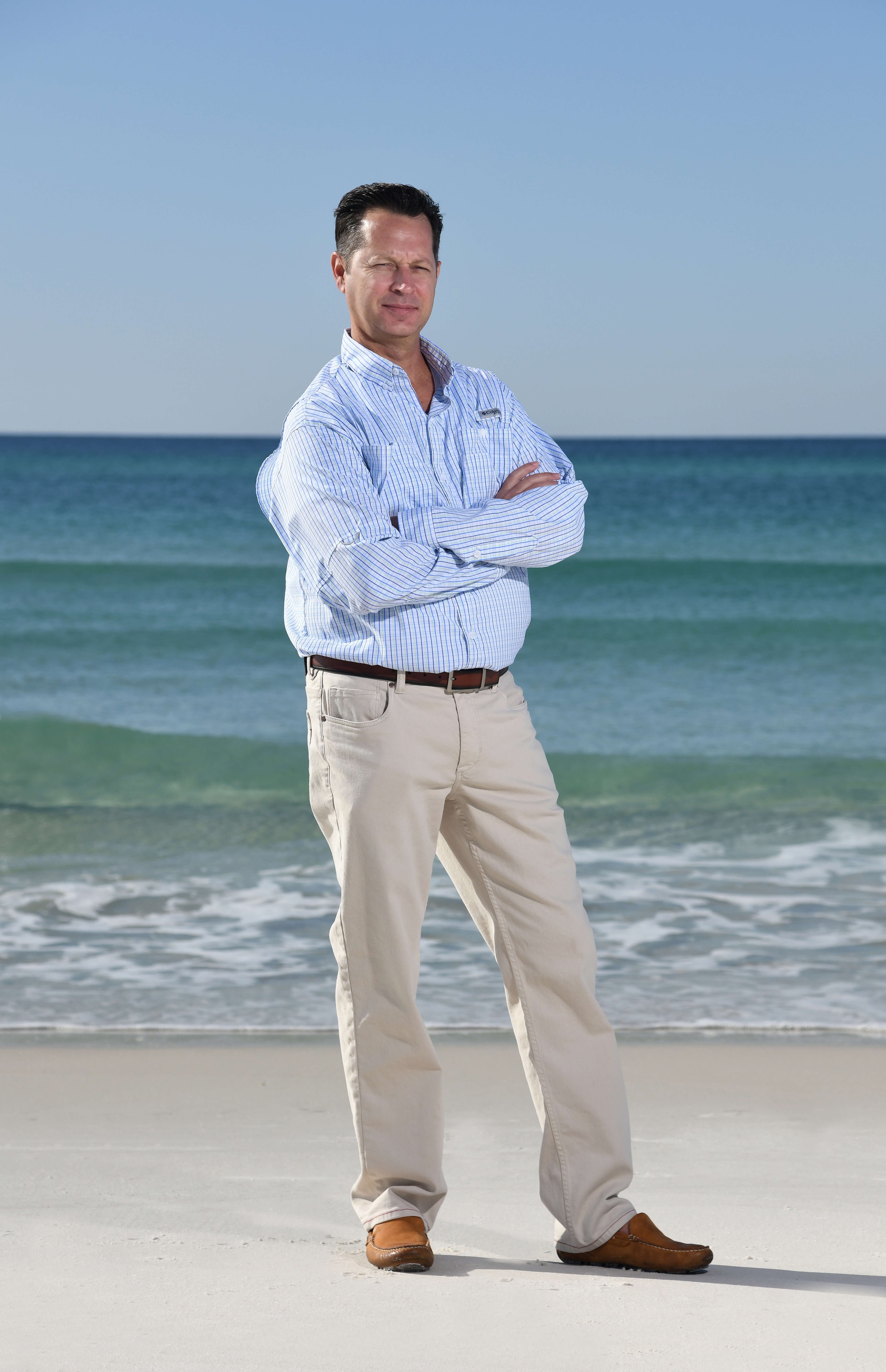
Kinsey Haddock, P.A.
REALTOR® · Broker Associate · Coldwell Banker Realty · License #BK3253849
Kinsey specializes in helping buyers and sellers navigate the Emerald Coast market — from Panama City Beach and Scenic Highway 30A to Destin, the Forgotten Coast, and beyond. These guides are written from firsthand market experience, not generic templates.
Verified profiles & websites
Frequently Asked Questions
- What is the difference between a second home and an investment property for financing purposes?
- Lenders define a second home as a property you intend to occupy personally for part of the year — typically at least 14 days annually — and that is not rented out as a primary income source. Investment properties are purchased primarily to generate rental income. Second homes generally qualify for better rates and lower down payments (as low as 10%) than investment properties (which typically require 20–25% down). If you plan to rent the property frequently, your lender needs to know — misrepresenting occupancy intent is mortgage fraud.
- Does Florida's homestead exemption apply to a second home?
- No. Florida's homestead exemption — which reduces assessed value for property tax purposes and caps annual assessment increases — applies only to your primary residence. If you own a home in another state and purchase a second home in Florida, the Florida property does not qualify for homestead. If you eventually make the Florida property your primary residence and establish Florida domicile, you can apply for homestead in the year following your move.
- Which Emerald Coast markets are best for retirement?
- The answer depends on what you value. Panama City Beach offers the most amenities, medical infrastructure, and year-round activity at a relatively accessible price point. Destin and Fort Walton Beach provide a similar amenity base with a slightly different community character. 30A communities like Santa Rosa Beach and Inlet Beach attract buyers who prioritize walkability, natural beauty, and a quieter pace. The Forgotten Coast — Port St. Joe, Apalachicola, St. George Island — appeals to buyers seeking a slower, more rural coastal lifestyle at lower price points. Each market has meaningfully different carrying costs, HOA structures, and community character.
- What are the typical carrying costs for a second home on the Emerald Coast?
- Beyond your mortgage, plan for: homeowners insurance (which in Florida often includes separate wind and flood policies), property taxes (no homestead exemption for second homes), HOA or condo association fees if applicable, property management if you are not local, and routine maintenance. Insurance costs on the Gulf Coast have risen significantly in recent years and vary by flood zone, construction type, and proximity to the water. Getting insurance quotes before making an offer is essential — not optional.
- How do I evaluate whether a market works for year-round living vs. seasonal use?
- For year-round living, consider: proximity to healthcare (hospitals, specialists), grocery and retail access in the off-season, airport access for travel, and community activity outside of peak tourist months. For seasonal use, the calculus shifts toward rental income potential, property management availability, and how the property holds up with periods of vacancy. Some Gulf Coast communities are vibrant year-round; others are noticeably quieter from October through February. Visiting in the off-season before buying is one of the most useful things a prospective buyer can do.
- What changes when I convert my second home to a primary residence?
- When you establish Florida as your primary domicile, you can apply for the homestead exemption (which takes effect the following January 1), update your driver's license and vehicle registration, and update your voter registration. If you previously claimed a homestead exemption in another state, you will need to notify that state. From a mortgage standpoint, your existing loan terms do not change — but if you refinance, you may qualify for primary-residence rates. Consult a Florida attorney or CPA for guidance on domicile establishment and any estate planning implications.
Ready to Download?
This guide is available for immediate download — no form required. If you have questions after reading, reach out directly.
Download Free GuideLooking for more guides? Browse the full resource library.
View All Guides